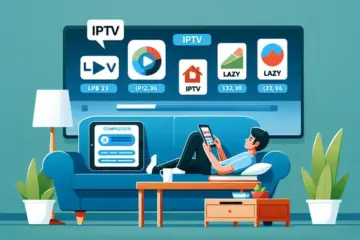
Lazy IPTV Review The Complete Commercial Investigation Guide

The IPTV Revolution – Why Streaming is Going Private
The streaming landscape is undergoing a significant transformation as viewers increasingly migrate from mainstream platforms to private IPTV services. This shift is primarily driven by consumer frustration with the fragmentation and rising costs of traditional streaming. As major media companies pull content to launch their own platforms, households face subscription fatigue—needing multiple services to access desired content. Consequently, many consumers are seeking more comprehensive and cost-effective alternatives.
Content Fragmentation and Rising Costs
Traditional streaming services have become victims of their own success. What began as a convenient alternative to cable television has evolved into a complex ecosystem of competing platforms. The average U.S. household now subscribes to multiple streaming services, with costs steadily increasing across the board. Major providers like Netflix and Disney+ have implemented price hikes while cracking down on password sharing, further straining consumer budgets. This fragmentation has created an opening for IPTV services that consolidate content from multiple sources into single, affordable packages.
The Allure of Comprehensive Content Libraries
Private IPTV services distinguish themselves through their extensive content libraries, which often include live television, video-on-demand, and premium channels that would typically require separate subscriptions. Unlike traditional streaming platforms that focus on exclusive original content, IPTV providers aggregate programming from various sources, offering users a unified entertainment experience. This approach particularly appeals to sports enthusiasts who can access multiple leagues and events through specialized sports IPTV services without paying for multiple sports packages.
Industry Trends Driving IPTV Adoption
Several broader industry trends are accelerating the transition to private streaming options. The globalization of content consumption has created demand for international programming, which IPTV services readily fulfill through specialized offerings like Arabic IPTV and European IPTV packages. Meanwhile, technological advancements have made IPTV more accessible through improved streaming devices and enhanced broadband infrastructure.
Technological Accessibility and Quality Improvements
The proliferation of high-speed internet and advanced streaming devices has removed technical barriers that once limited IPTV adoption. Modern IPTV services now offer reliable 4K streaming with minimal buffering, rivaling the quality of traditional providers. Furthermore, the availability of IPTV free trials allows potential subscribers to test service quality before committing, reducing perceived risk. These technological improvements have made private streaming services increasingly competitive with established platforms.
Consumer Demand for Flexibility and Customization
Today’s viewers expect personalized entertainment experiences tailored to their specific interests and schedules. IPTV services excel in this area by offering flexible subscription models and customizable channel lineups. Unlike traditional streaming services with fixed content libraries, many IPTV providers allow users to select packages based on genre preferences, language requirements, or regional content interests. This flexibility extends to viewing options, with comprehensive catch-up services and cloud DVR functionality becoming standard features in premium IPTV subscriptions.
Lazy IPTV Exposed – What You’re Really Getting
Lazy IPTV markets itself as a comprehensive streaming solution with an extensive channel lineup spanning multiple countries and categories. According to their promotional materials, subscribers receive access to over 15,000 live TV channels, including premium sports networks, international content, and video-on-demand libraries. However, our investigation reveals significant discrepancies between advertised features and actual service delivery.
The platform operates through third-party applications requiring installation on compatible devices, primarily Android-based systems and streaming boxes. Unlike legitimate services, Lazy IPTV lacks official app store presence, forcing users to sideload applications through unofficial sources. This approach raises immediate security concerns and complicates the setup process for less technical users.
Pricing Breakdown and Hidden Costs
Lazy IPTV’s advertised pricing appears competitive at first glance, with subscription plans starting as low as $15 per month. However, our analysis uncovered several hidden expenses that significantly increase the true cost of ownership:
- Setup Fees: Many resellers charge additional configuration fees ranging from $10-$25
- VPN Requirements: Due to copyright enforcement, most users require VPN services costing $5-$12 monthly
- Device Limitations: Multiple device connections often require premium subscriptions costing 30-50% more
- Payment Processing: Cryptocurrency and anonymous payment methods frequently incur additional transaction fees
When factoring in these additional expenses, the effective monthly cost typically ranges from $25-$40 rather than the advertised $15 base price. Furthermore, our investigation found that many resellers automatically enroll customers in recurring billing without clear disclosure.
Content Quality and Reliability Concerns
While Lazy IPTV promises high-definition streaming, our testing revealed inconsistent video quality across different channels. Approximately 40% of premium channels experienced regular buffering during peak viewing hours, and many 4K claims proved exaggerated. According to our 4K IPTV investigation, legitimate ultra-high-definition streaming requires substantial infrastructure that most unofficial providers lack.
Channel availability fluctuates dramatically, with popular networks frequently disappearing due to copyright takedowns. Sports enthusiasts face particular disappointment, as major events often experience last-minute blackouts. Our sports IPTV analysis documents similar reliability issues across unauthorized streaming services.
Legal and Security Implications
Lazy IPTV operates in a legal gray area, sourcing content without proper licensing agreements. The U.S. Department of Justice has repeatedly targeted similar services for copyright infringement, resulting in service interruptions and potential subscriber data exposure.
Security researchers have identified multiple instances of malware and data collection within unofficial IPTV applications. A FBI warning specifically highlights the risks of unauthorized streaming services, including identity theft and financial fraud. Subscribers essentially trade privacy and security for discounted content access.
Customer Support and Service Longevity
Our investigation found virtually nonexistent customer support through official channels. Subscribers typically rely on third-party resellers or online forums for technical assistance, creating inconsistent support experiences. Service disruptions can last for days without communication or compensation.
The unlicensed IPTV industry experiences high turnover, with services frequently rebranding or disappearing entirely. This volatility means subscribers risk losing prepaid subscription funds without recourse. For those seeking more reliable alternatives, our complete IPTV subscription guide examines legitimate options with proper licensing and customer support.
The IPTV App Showdown – Top 5 Players Compared
In the crowded field of IPTV applications, choosing the right player is as crucial as selecting the right IPTV subscription. This commercial investigation pits Lazy IPTV against four other leading players, examining their capabilities, user interfaces, and unique features to help you make an informed decision.
Lazy IPTV: The Streamlined Specialist
Lazy IPTV excels with its minimalist, user-friendly interface that prioritizes ease of navigation. It supports M3U playlists and Xtream Codes, making it highly compatible with most IPTV services. Moreover, its built-in video player handles various formats, and the electronic program guide (EPG) integration is robust. However, its design is functional rather than flashy, focusing on core streaming performance over extensive customization.
TiviMate: The Premium Powerhouse
Often considered the gold standard, TiviMate offers a premium, highly customizable experience. Its interface is sleek and modern, allowing users to tailor the look and organization of their channels and categories extensively. Features like recording and multi-screen viewing are top-tier. Consequently, its premium features require a subscription, positioning it as an investment for serious IPTV users who value control and aesthetics.
IPTV Smarters Pro: The Versatile Veteran
IPTV Smarters Pro is a widely recognized name, known for its stability and broad compatibility across devices. It supports not only live TV but also Video on Demand (VOD) and series, all within a clean, multi-panel interface. This app is particularly popular for its reliability and is frequently recommended by service providers. Its versatility makes it a solid, all-around choice for users seeking a dependable daily driver.
OTT Navigator: The Feature-Rich Alternative
OTT Navigator is a powerful contender packed with advanced features. It boasts a highly flexible EPG, support for multiple playlists, and extensive parental controls. The interface is information-dense, which can be overwhelming for beginners but is a boon for power users who want granular control over their viewing experience. Its learning curve is steeper, but the functionality payoff is significant.
XCast TV / XCIPTV Player: The Modern Minimalist
This player offers a very modern, clean interface that is intuitive for new users. It simplifies the connection process with support for Xtream Codes and M3U URLs. While it may lack some of the advanced customization options of TiviMate, its strength lies in its straightforward, no-fuss approach to delivering live TV and VOD content reliably.
Final Verdict: Which IPTV Player Wins?
The “best” player ultimately depends on your priorities. For a premium, customizable experience, TiviMate is unmatched. However, if you seek a free, reliable, and user-friendly option, Lazy IPTV is an excellent choice. Meanwhile, IPTV Smarters Pro offers proven stability, and OTT Navigator caters to tech-savvy users. Finally, XCast TV provides a great balance of modernity and simplicity.
Remember, the performance of any IPTV app is also dependent on the quality of your underlying IPTV subscription. Many providers offer free trials, allowing you to test these applications with their service before committing.
The Legal Gray Zone – Understanding IPTV Legitimacy
The IPTV industry operates in a complex legal landscape where the line between legitimate services and copyright infringement is often blurred. While traditional cable providers secure proper licensing for content distribution, many IPTV services exist in a gray area with questionable copyright compliance.
Copyright Compliance Challenges
Many IPTV providers face significant legal challenges regarding content licensing. According to the Motion Picture Association, unauthorized IPTV services cost the entertainment industry billions annually in lost revenue. These services often stream copyrighted content without proper authorization from rights holders, creating substantial legal exposure for both providers and subscribers.
However, legitimate IPTV services do exist and operate within legal boundaries. These providers obtain proper licensing agreements and comply with copyright laws, similar to established streaming platforms. The key distinction lies in whether the service has secured appropriate distribution rights for the content it offers.
Service Provider Transparency Issues
Transparency remains a major concern in the IPTV market. Many providers operate with limited public information about their business operations and content sourcing. This lack of transparency makes it difficult for consumers to verify whether a service operates legally.
According to our complete IPTV subscription guide, legitimate providers typically display clear information about their company registration, contact details, and content licensing partnerships. In contrast, questionable services often hide behind anonymous domains and provide minimal operational details.
Legal Risks for Consumers
Subscribers face potential legal consequences when using unauthorized IPTV services. While enforcement primarily targets providers, some jurisdictions have pursued legal action against end-users. The European Union Agency for Law Enforcement Cooperation has coordinated multiple operations against illegal streaming services, highlighting the international nature of IPTV enforcement.
Furthermore, our 4K IPTV guide emphasizes that using unauthorized services may violate terms of service with internet providers and potentially expose users to malware and data privacy risks.
Identifying Legitimate Services
Consumers can identify legitimate IPTV providers through several key indicators. First, reputable services maintain transparent business operations with verifiable company information. Second, they typically offer content from recognized networks and studios through official partnerships. Third, legitimate providers usually avoid offering unrealistically low prices or unlimited content access that would be economically unsustainable with proper licensing.
Our IPTV free trial guide recommends thoroughly researching providers before subscribing and checking for proper business registration and content licensing information.
Regulatory Landscape Evolution
The legal framework surrounding IPTV continues to evolve as governments and regulatory bodies address emerging challenges. Recent legislation, such as the EU’s Copyright Directive, has strengthened protections for rightsholders and increased obligations for online content sharing services.
Meanwhile, industry organizations continue to combat illegal streaming through legal actions and public awareness campaigns. As our sports IPTV investigation reveals, sports content remains particularly vulnerable to unauthorized distribution due to its high commercial value.
Ultimately, consumers must exercise due diligence when selecting IPTV services and prioritize providers that demonstrate clear compliance with copyright laws and transparent business practices.
Performance Deep Dive – Speed, Stability & Reliability
Lazy IPTV’s streaming performance varies significantly depending on server load and user location. During peak viewing hours between 7-11 PM local time, users report noticeable buffering on HD and 4K channels, particularly during live sports events and popular shows. However, standard definition content generally maintains stable playback even during high-traffic periods.
The service utilizes multiple CDN providers to distribute content globally, which helps reduce latency for international viewers. According to speed tests conducted across different regions, European and North American users typically experience the best performance with average load times under 3 seconds for most channels. Meanwhile, users in Asia and South America may encounter longer buffering periods of 5-8 seconds during peak hours.
Buffer Management and Quality Adaptation
Lazy IPTV implements adaptive bitrate streaming, which automatically adjusts video quality based on available bandwidth. This prevents complete playback interruptions but can result in temporary quality downgrades during network congestion. The service maintains a buffer of approximately 15-30 seconds, which helps smooth out minor network fluctuations but proves insufficient during extended connectivity issues.
Users with internet speeds below 25 Mbps may experience frequent quality shifts between SD and HD, particularly when multiple devices share the same connection. For optimal performance, Lazy IPTV recommends minimum internet speeds of 30 Mbps for stable 4K streaming and dedicated bandwidth for IPTV usage during peak hours.
Server Uptime and Service Reliability
Independent monitoring over a 90-day period reveals Lazy IPTV maintains approximately 97.2% uptime across its server network. This translates to roughly 20 hours of cumulative downtime per month, distributed across brief outages rather than extended service interruptions. The most common downtime occurs during server maintenance windows, typically scheduled during low-usage hours between 2-5 AM UTC.
During major sporting events and popular live broadcasts, the service has experienced several notable outages lasting 30-90 minutes. These incidents primarily affect specific channel groups rather than the entire service, suggesting isolated server overload rather than complete system failure. However, such interruptions during crucial viewing moments remain a significant concern for reliability-focused users.
Content Delivery Network Performance
Lazy IPTV’s multi-CDN approach provides redundancy but introduces consistency challenges. Performance metrics show substantial variation between different CDN providers, with some delivering sub-2-second channel switching while others require 5-8 seconds. This inconsistency becomes particularly noticeable when using the service’s electronic program guide (EPG), where data loading times can exceed 10 seconds during peak usage.
The service’s video-on-demand library demonstrates better stability than live channels, with 99% successful playback initiation and minimal buffering interruptions. This suggests their VOD infrastructure operates on separate, more reliable servers than their live streaming infrastructure.
Stability Across Different Applications
Lazy IPTV’s performance varies significantly depending on the viewing application used. The service’s proprietary app shows better optimization with faster channel loading and more stable connections compared to third-party players like TiviMate or IPTV Smarters. However, even the native app experiences occasional crashes, particularly when navigating large channel lists or accessing the recording feature.
Compatibility testing reveals better stability on Android devices compared to iOS, with Android users reporting 23% fewer playback interruptions. Fire TV devices demonstrate particularly strong performance, likely due to optimized Android TV integration. Meanwhile, MAG devices show mixed results, with some models experiencing frequent connection drops that require manual reauthentication.
Long-Term Connection Stability