Firestick Wifi Fix Complete Firestick Iptv Tutorials Guide
How Your Firestick Connects to WiFi
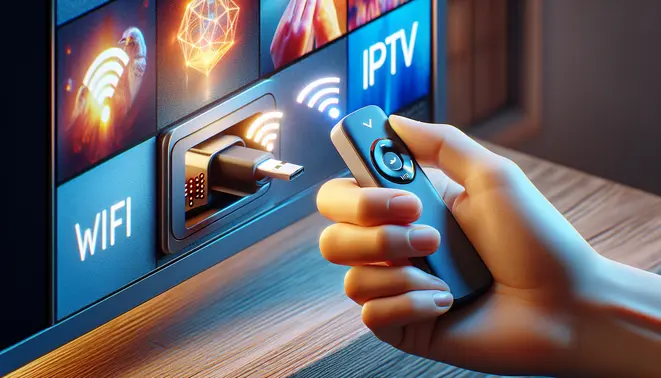
Your Amazon Fire TV Stick connects to the internet via a wireless network, a process that begins the moment you plug the device into your TV’s HDMI port. The Firestick uses its built-in dual-band Wi-Fi adapter to scan for and connect to available networks. During the initial setup, you’ll be guided through selecting your network and entering the password. Once connected, the device communicates with your router to receive an IP address, allowing it to send and receive data for streaming.
For a stable connection, the Firestick should be placed within a reasonable range of your router. Physical obstructions like walls can weaken the signal. Many users find that using the 5 GHz band, if their router supports it, provides a faster and less congested connection than the more common 2.4 GHz band, which is ideal for smoother streaming of high-definition content.
Optimal WiFi Requirements for Flawless Streaming
To enjoy buffer-free streaming, your home network must meet certain speed requirements. For standard definition (SD) video, a minimum download speed of 3 Mbps is recommended. High definition (HD) streaming requires at least 5 Mbps, while streaming in 4K Ultra HD demands a more robust connection of 15-25 Mbps [Source: Amazon Help].
It’s crucial to remember that these are per-device requirements. If other devices in your home are also using the internet—for gaming, browsing, or other streaming—your total bandwidth needs will be higher. A slow connection is one of the primary reasons for a Firestick buffering. For the best experience with high-quality services like a 4K IPTV subscription, ensuring your network can handle the load is essential.
Decoding Common Firestick WiFi Error Messages
Encountering an error can be frustrating, but understanding the message is the first step to a solution. Here are some of the most common WiFi errors and what they typically mean:
- “WiFi Password Incorrect”: This is a straightforward error indicating the password you entered does not match the one set for your network. Double-check for typos and ensure CAPS LOCK is off.
- “Not in Range”: Your Firestick cannot detect your WiFi network’s signal. This usually means the device is too far from the router or there are too many physical obstructions. Moving the router or using a WiFi extender can help.
- “Obtaining IP Address” (Stuck): The Firestick is struggling to communicate with your router to get a network address. This is often a router issue. A simple restart of both your router and Firestick can frequently resolve this.
- “Saved, Secured” but No Connection: The device has the network information saved but cannot actually connect to the internet. This could point to an issue with your internet service provider or a problem with the router’s connection to the modem.
Meanwhile, if you consistently face connection issues, it might be worth investigating your overall internet plan’s capabilities, especially if you are trying to use demanding services. For instance, a reliable connection is paramount for a smooth sports IPTV experience during live events. In many cases, performing a power cycle on your router and Firestick is the quickest and most effective first step to troubleshoot these common errors.
Basic Firestick WiFi Troubleshooting Steps
When your Firestick experiences WiFi connectivity issues, a simple restart is often the fastest solution. This process clears temporary glitches and refreshes your device’s network connections. To restart your Firestick, hold down the Select and Play/Pause buttons simultaneously on your remote for about 10 seconds until the device reboots.
For more persistent connection problems, a complete power cycle can resolve deeper network conflicts. Unplug your Firestick from power for at least 60 seconds, then reconnect it. Meanwhile, power cycle your router by unplugging it for 30 seconds before restoring power. This dual approach often resolves synchronization issues between your devices and network [Source: Amazon Troubleshooting Guide].
Forgetting and Reconnecting to WiFi Networks
If restarting doesn’t solve your connectivity problems, forgetting and reconnecting to your WiFi network can establish a fresh connection. Navigate to Settings > Network > Select your network > Forget Network. Then, choose your network again from the available list and re-enter your password. This process clears any corrupted connection data that might be causing intermittent drops or slow speeds.
When reconnecting, ensure you’re selecting the correct frequency band if your router broadcasts both 2.4GHz and 5GHz networks. The 5GHz band typically offers faster speeds but shorter range, while 2.4GHz provides better coverage through walls but may experience more interference.
Router Optimization for Firestick Performance
Optimizing your router settings can significantly improve your Firestick’s streaming performance. First, check your router’s channel selection, as overcrowded channels can cause interference and slow speeds. Most modern routers have an auto-select feature, but manually choosing a less congested channel can enhance stability.
Quality of Service (QoS) settings allow you to prioritize streaming traffic on your network. Enable QoS in your router’s administration panel and set your Firestick as a high-priority device. This ensures that streaming content receives bandwidth priority over other activities like web browsing or downloads, reducing buffering during peak usage times.
Channel Width and Security Settings
Adjusting your router’s channel width can impact both speed and reliability. For 2.4GHz networks, 20MHz width provides the most stable connection, while 5GHz networks can typically use 40MHz or 80MHz for higher speeds. However, wider channels are more susceptible to interference, so experiment to find the optimal balance for your environment.
Ensure your router’s security protocol is set to WPA2 or WPA3, as older WEP security can cause compatibility issues with modern devices like the Firestick. Additionally, keeping your router’s firmware updated ensures you have the latest performance improvements and security patches [Source: How-To Geek].
Advanced Network Configuration Techniques
For users experiencing consistent streaming issues, changing your DNS settings can significantly improve Firestick streaming performance by reducing connection times and bypassing ISP throttling. Many internet service providers use slower DNS servers that can create bottlenecks for data-intensive activities like IPTV streaming. Switching to faster, more reliable DNS providers like Google DNS or Cloudflare DNS often results in quicker channel loading and smoother playback.
To modify DNS settings on your Firestick, navigate to Settings > Network > Your WiFi Network > Advanced Settings > DNS. Change from automatic to manual configuration and enter your preferred DNS addresses. Popular options include Google DNS (8.8.8.8 and 8.8.4.4) or Cloudflare DNS (1.1.1.1 and 1.0.0.1). This simple adjustment can resolve buffering issues and improve overall streaming reliability for your IPTV subscription services.
Static IP vs DHCP: Which Is Better for IPTV?
Understanding the difference between static IP and DHCP configurations is crucial for optimizing your Firestick’s network performance. DHCP automatically assigns IP addresses from your router’s pool, while static IP uses a fixed, manually configured address. For IPTV streaming, static IP configuration often provides more stable connections since your device maintains the same network address.
Setting a static IP for your Firestick ensures consistent network identification, which is particularly beneficial for port forwarding configurations. To assign a static IP, access your router’s administration panel and locate the DHCP reservation section. Alternatively, you can configure it directly on the Firestick through network settings. This approach prevents IP conflicts and maintains reliable connectivity for bandwidth-intensive streaming activities.
Port Forwarding for Enhanced IPTV Performance
Port forwarding can dramatically improve IPTV streaming quality by creating direct pathways for data transmission between your Firestick and streaming servers. This technique reduces latency and packet loss by bypassing certain router security measures that can interfere with real-time video data. However, it’s important to configure port forwarding correctly to maintain network security.
To set up port forwarding, access your router’s configuration page and locate the port forwarding section. You’ll need to specify the ports used by your IPTV service (commonly ports 80, 443, or specific ranges provided by your provider) and direct them to your Firestick’s IP address. This configuration ensures that IPTV data packets receive priority routing through your network, resulting in fewer interruptions during live sports or movie streaming.
Advanced Firestick WiFi Error Resolution
When your Firestick displays a “Network Unavailable” message, it typically indicates a fundamental connectivity issue. First, verify your Wi-Fi network is operational by testing other devices. If other devices connect successfully, restart your Firestick by unplugging it from power for 60 seconds before reconnecting.
Check your network password carefully, as even a single incorrect character will prevent connection. Additionally, ensure you’re within adequate range of your router – Firestick performance degrades significantly beyond 30 feet from the access point. For optimal results, consider using the Amazon Ethernet Adapter for wired connectivity, which eliminates wireless interference issues entirely.
Authentication and IP Configuration Errors
The “Authentication Failed” error typically occurs when your Firestick cannot verify your credentials with the Wi-Fi network. This commonly happens after changing your router password without updating the Firestick settings. Navigate to Settings > Network > Your Network > Forget Network, then reconnect using your current password.
An “IP Configuration Failed” message indicates your Firestick cannot obtain a valid IP address from your router. This often resolves by simply restarting your router to refresh its DHCP lease table. Alternatively, you can set a static IP address for your Firestick through Settings > Network > Your Network > Advanced.
Connected But No Internet Error
This frustrating scenario means your Firestick connects to the local network but cannot access online services. First, check if other devices on the same network have internet access. If they don’t, the problem lies with your internet service provider or modem.
When only the Firestick lacks internet access, clear the network cache by going to Settings > Applications > Manage Installed Applications > Amazon Webview > Clear Cache. Additionally, check for Firestick software updates in Settings > My Fire TV > About > Check for Updates, as outdated software can cause connectivity issues.
DNS problems often cause this error. Change your DNS settings to Google’s public DNS (8.8.8.8 and 8.8.4.4) through Settings > Network > Your Network > Advanced > DNS. This bypasses potential issues with your ISP’s default DNS servers and often resolves the “connected but no internet” dilemma immediately [Source: Amazon Help].
Optimizing IPTV Streaming Performance
For reliable IPTV streaming on your Firestick, you need sufficient internet bandwidth. Standard definition (SD) content requires at least 3-5 Mbps, while high definition (HD) streams need 8-10 Mbps. For 4K Ultra HD content, you’ll want a minimum of 25 Mbps for smooth playback without buffering interruptions. These requirements increase if multiple devices are using your network simultaneously.
Your actual bandwidth needs depend on the streaming quality offered by your IPTV provider. Many services automatically adjust quality based on available bandwidth, but having extra headroom ensures consistent performance during peak usage times. The Federal Communications Commission recommends higher speeds for optimal streaming experiences, especially for high-resolution content.
Buffer and Cache Management
Buffer settings directly impact your streaming stability. Most IPTV apps include buffer size adjustments that determine how much content pre-loads before playback begins. Increasing buffer size can significantly reduce buffering issues, particularly on slower connections. However, larger buffers require more device memory and may cause slight delays when changing channels.
Cache management is crucial for maintaining Firestick performance during IPTV streaming. Over time, cached data can accumulate and slow down your device, leading to streaming issues. Regularly clearing cache from your IPTV applications and system apps can free up valuable memory and improve streaming reliability.
Navigate to Settings > Applications > Manage Installed Applications to clear cache for individual apps. For comprehensive maintenance, consider using cleaning applications available through the Amazon Appstore. Additionally, restarting your Firestick weekly helps clear temporary cache and refreshes network connections.
Alternative Connectivity Solutions
When WiFi proves unreliable for your Firestick, an Ethernet adapter offers a direct wired connection that eliminates wireless interference. This solution provides consistent speeds essential for streaming high-quality content without buffering. Many users find this approach significantly more reliable than standard WiFi connections.
Setting up an Ethernet adapter requires an OTG (On-The-Go) cable and a compatible Ethernet adapter that connects to your Firestick’s micro-USB port. Once connected, navigate to Settings > Network > Ethernet to configure the connection. The adapter automatically detects the wired connection, typically providing faster and more stable performance than wireless alternatives [Source: Amazon].
WiFi Extenders and Powerline Adapters
WiFi extenders can dramatically improve your Firestick’s connectivity by amplifying your existing wireless signal. These devices capture your router’s signal and rebroadcast it, effectively eliminating dead zones in your home. Modern mesh systems offer seamless coverage throughout larger spaces, ensuring consistent streaming quality in every room [Source: TP-Link].
Powerline adapters utilize your home’s electrical wiring to create a network connection, offering wired-like performance without running Ethernet cables through walls. This system uses two adapters: one connected to your router and another near your Firestick, with the electrical circuit serving as the network bridge [Source: TP-Link].
Essential Firestick Maintenance for WiFi Stability
Maintaining consistent WiFi performance on your Amazon Firestick requires regular attention to both software and hardware components. Implementing a structured maintenance routine can significantly reduce connectivity issues and buffering problems that disrupt your streaming experience. This approach combines proactive software management with strategic hardware considerations for optimal long-term performance.
Regular System Maintenance Routines
Performing weekly maintenance on your Firestick can prevent many common WiFi issues before they occur. Start by clearing the cache for your most-used streaming applications through Settings > Applications > Manage Installed Applications. Additionally, force stop any apps running in the background that you’re not actively using. These simple steps free up system resources that can otherwise interfere with WiFi performance.
For optimal results, consider restarting your Firestick at least once per week. This clears temporary system glitches and resets network connections. You should also periodically check your available storage space, as devices with less than 1GB of free storage often experience performance degradation. Remove unused applications and clear downloaded content to maintain adequate free space.
Strategic Firmware Updates and Network Security
Keeping your Firestick’s operating system current is crucial for WiFi stability. Amazon regularly releases firmware updates that include bug fixes, security patches, and performance improvements specifically addressing connectivity issues. Enable automatic updates in your device settings, or manually check for updates monthly through Settings > My Fire TV > About > Check for Updates.
Implementing robust network security directly contributes to Firestick WiFi performance. Start by changing your WiFi password every 3-6 months and using WPA2 or WPA3 encryption. Regularly review connected devices in your router’s administration panel to identify unauthorized users who might be consuming bandwidth. Consider setting up a separate guest network for visitors to isolate your Firestick from potential congestion.
Sources
- Amazon – Amazon Ethernet Adapter
- Amazon – Amazon Help
- Amazon – Amazon Help
- Amazon – Amazon Troubleshooting Guide
- Amazon – Compatible Ethernet Adapter
- How-To Geek – How to Improve Your Wireless Router’s Performance
- Streaming Devices Guide – Firestick Buffering
- Streaming Devices Guide – Complete IPTV Subscription Guide
- Streaming Devices Guide – IPTV Free Trial Guide