Chromecast IPTV Setup Complete Streaming Device Setup Guide
Table of Contents
- What Is Chromecast and How Does It Work With IPTV?
- Essential Hardware Requirements for Chromecast IPTV
- Unboxing and Setting Up Your Chromecast
- Getting Started with IPTV on Your Chromecast
- Optimizing Your Chromecast IPTV Experience
- Troubleshooting Common Chromecast IPTV Issues
- Advanced Features and Customization
What Is Chromecast and How Does It Work With IPTV?
Chromecast is Google’s streaming media adapter that transforms any television with an HDMI port into a smart entertainment hub. This compact device works by receiving content from your smartphone, tablet, or computer and displaying it on your TV screen. The technology operates through a simple “cast” function, allowing you to stream videos, music, and apps directly from your mobile device to your television [Source: Digital Trends].
When combined with IPTV (Internet Protocol Television), Chromecast becomes a powerful tool for accessing live television channels, video-on-demand content, and catch-up services through internet connectivity rather than traditional broadcast methods. This integration enables viewers to enjoy a vast selection of global channels and specialized content without expensive cable subscriptions [Source: TechRadar].
The Benefits of Chromecast IPTV Integration
Combining Chromecast with IPTV services offers several significant advantages for modern viewers. First, it provides exceptional flexibility in content consumption, allowing you to watch your favorite programs on multiple screens throughout your home. Additionally, this setup eliminates the need for dedicated set-top boxes, reducing both upfront costs and physical clutter around your entertainment center.
Another key benefit is the seamless user experience. Since most people already own smartphones, the learning curve for using Chromecast with IPTV is minimal. The familiar mobile interface makes browsing channels and managing your viewing preferences intuitive and straightforward. Moreover, this combination often delivers superior streaming quality compared to traditional methods, with many services supporting high-definition and even 4K content when network conditions permit.
Compatibility Requirements for Successful Setup
To ensure a smooth Chromecast IPTV experience, several compatibility factors must be considered. Your television must have an available HDMI port and a reliable power source for the Chromecast device. Additionally, you’ll need a stable Wi-Fi network with sufficient bandwidth to handle video streaming without buffering interruptions.
The mobile device you use for casting—whether smartphone or tablet—must support the Google Home app and be connected to the same Wi-Fi network as your Chromecast. For optimal performance, both devices should be running updated software versions. Many popular IPTV services offer dedicated apps with built-in casting functionality, while others work through compatible third-party applications available through official app stores.
Before committing to a service, consider exploring IPTV free trials to test compatibility with your specific setup. These trial periods allow you to evaluate streaming quality, channel selection, and overall performance before making a financial commitment. For those ready to choose a provider, our comprehensive IPTV subscription guide offers detailed comparisons of available options.
Essential Hardware Requirements for Chromecast IPTV
Before diving into the world of Chromecast IPTV streaming, you’ll need to assemble several key hardware components. First and foremost, you’ll require a Chromecast device—either the standard HD model or the 4K-capable Chromecast with Google TV for enhanced viewing. Additionally, you need a compatible television with an available HDMI port and a stable Wi-Fi network for seamless content casting. Don’t forget a smartphone, tablet, or computer to serve as your control device for navigating and casting content to your TV screen. Finally, ensure you have the necessary power adapters and cables to keep all devices running smoothly during your streaming sessions.
Network Requirements for Optimal IPTV Performance
A reliable internet connection is absolutely critical for buffer-free IPTV streaming through Chromecast. For standard definition content, a minimum of 10 Mbps download speed is recommended, while high-definition streams require at least 25 Mbps. For those enjoying 4K content, you’ll want to ensure your network can handle 50 Mbps or higher. Position your router strategically to maintain strong signal strength, or consider using a Wi-Fi extender if your Chromecast is located far from your router. Wired Ethernet connections via compatible adapters can provide even more stability for demanding IPTV streams, eliminating potential wireless interference issues that can disrupt your viewing experience.
Choosing the Right IPTV Subscription Service
Selecting a compatible IPTV provider is perhaps the most crucial step in your setup journey. Look for services that explicitly support casting functionality or offer dedicated mobile applications compatible with Chromecast protocols. Our comprehensive IPTV subscription guide provides detailed comparisons of top providers, including channel lineup assessments, video quality options, and compatibility information. Additionally, many reputable services offer trial periods—our IPTV free trial guide can help you navigate these opportunities to test services before committing to long-term subscriptions.
Additional Considerations for Smooth Streaming
Beyond the basic requirements, several additional factors can significantly enhance your Chromecast IPTV experience. Consider investing in a quality VPN service to protect your privacy and potentially access geo-restricted content. Ensure your casting device and Chromecast firmware are updated to the latest versions to maintain compatibility with modern IPTV applications. Furthermore, evaluate your storage needs—some IPTV services require substantial cache space for optimal performance. Finally, familiarize yourself with the specific application requirements of your chosen IPTV provider, as some may have additional device specifications or recommended settings for the best possible streaming quality.
Unboxing and Setting Up Your Chromecast
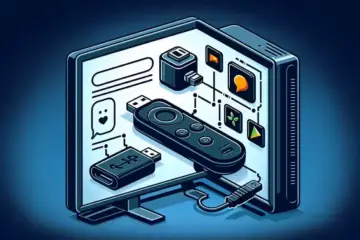
When you open your Chromecast package, you’ll find several key components. The main device is a small dongle that connects directly to your TV’s HDMI port. Additionally, you’ll receive a USB power cable and a power adapter. Google also includes an optional HDMI extender cable, which can be helpful if your TV’s HDMI ports are difficult to access.
Before proceeding, ensure you have all these components ready. The HDMI extender is particularly useful for improving Wi-Fi reception if your TV is mounted close to the wall. Meanwhile, the power adapter is essential for providing adequate power to your device, as some TV USB ports may not supply enough power for optimal performance.
Physical Connection to Your TV
Begin by plugging your Chromecast into an available HDMI port on your television. If space is tight, connect the HDMI extender cable first, then plug the Chromecast into the extender. Next, connect the USB power cable to your Chromecast and plug the other end into the included power adapter, which then goes into a wall outlet.
Turn on your television and switch to the corresponding HDMI input using your TV remote. You should see the Chromecast setup screen displaying a unique code. This indicates your physical connection is successful. If you don’t see this screen, double-check that you’ve selected the correct HDMI input and that all connections are secure.
Connecting to Your Home Network
To configure your Chromecast, you’ll need the Google Home app on your smartphone or tablet. Download it from the Google Play Store or Apple App Store if you haven’t already. Open the app and follow the prompts to set up a new device.
The app will automatically detect your Chromecast. Confirm the code matches what’s displayed on your TV screen. Then, connect your Chromecast to your Wi-Fi network by selecting it from the list and entering your password. Ensure your mobile device is connected to the same Wi-Fi network you want your Chromecast to use.
Initial Configuration for IPTV Streaming
Once connected to Wi-Fi, your Chromecast will update to the latest software if needed. This process may take several minutes. After completion, you can rename your device for easy identification, especially if you have multiple Chromecasts in your home.
For IPTV streaming, you’ll need to install IPTV applications on your mobile device that support Chromecast. Popular options include IPTV Smarters Pro and OTT Player. Alternatively, you can cast directly from web browsers on your computer or use dedicated IPTV services that offer Chromecast compatibility.
Before subscribing to any IPTV service, consider exploring our guide to IPTV free trials to test different providers. Additionally, our comprehensive resource on the best IPTV subscriptions can help you choose the right service for your streaming needs.
Testing Your Setup
To verify everything is working correctly, try casting a video from YouTube or another supported app to your Chromecast. Open the app, look for the Cast icon (a rectangle with Wi-Fi waves in the corner), and select your Chromecast from the list. The content should appear on your TV screen within seconds.
For IPTV-specific testing, open your chosen IPTV application, enter your subscription details, and attempt to cast live TV or video-on-demand content. If you encounter issues, ensure both your mobile device and Chromecast are on the same Wi-Fi network, and check that your IPTV subscription is active and properly configured within the application.
Getting Started with IPTV on Your Chromecast
Setting up IPTV on your Chromecast opens up a world of streaming possibilities, allowing you to access thousands of live TV channels and on-demand content. While Chromecast doesn’t natively support IPTV apps, you can easily cast from compatible devices to enjoy your favorite programming on the big screen.
Essential Prerequisites Before Installation
Before diving into the setup process, ensure you have all necessary components ready. You’ll need a stable Wi-Fi connection, an active IPTV subscription from a reputable provider, and a compatible casting device such as an Android smartphone, iPhone, or computer. Additionally, make sure your Chromecast is properly connected to your TV and connected to the same Wi-Fi network as your casting device.
Choosing a reliable IPTV service is crucial for optimal performance. Research providers that offer stable streams, good customer support, and compatibility with casting functionality. Many services provide free trials that allow you to test their service before committing to a subscription.
Installing and Configuring IPTV Applications
The installation process varies depending on your casting device. For Android users, download IPTV apps like IPTV Smarters, TiviMate, or GSE Smart IPTV from the Google Play Store. iPhone users can find similar applications in the App Store. Computer users can utilize web-based IPTV players or desktop applications that support casting functionality.
Once installed, launch your chosen IPTV application and navigate to the settings menu. Look for the casting icon (usually displayed as a rectangle with Wi-Fi waves in the corner) and select your Chromecast device from the available list. The app should automatically connect to your Chromecast, preparing it for content streaming.
Account Setup and Subscription Activation
Most IPTV applications require you to input your subscription details to access content. You’ll typically need your provider’s URL or M3U playlist link, along with your username and password. These credentials are provided when you sign up for an IPTV subscription.
Carefully enter your login information in the appropriate fields within the app. Some applications offer multiple login methods, including Xtream Codes API, which requires your server URL, username, and password. After entering your details, save the settings and wait for the application to validate your subscription.
Security Considerations and Best Practices
When setting up your IPTV service, prioritize security to protect your personal information and streaming activity. Use a VPN (Virtual Private Network) to encrypt your internet connection and prevent ISP throttling. Additionally, avoid using unsecured public Wi-Fi networks when accessing your IPTV service.
Be cautious about sharing your login credentials and regularly update your passwords. Reputable IPTV providers use secure payment methods and don’t request unnecessary personal information. If you encounter suspicious requests for data, consider it a red flag and explore alternative providers.
Troubleshooting Common Setup Issues
If you experience difficulties during setup, several troubleshooting steps can resolve most issues. First, ensure all devices are connected to the same Wi-Fi network. Restart your Chromecast by unplugging it for 30 seconds before reconnecting. Update your IPTV application to the latest version and clear the app cache if problems persist.
Connection issues might also stem from your IPTV subscription. Verify that your subscription is active and that you’ve entered the correct login credentials. Some providers offer detailed setup guides specific to their service, which can provide additional assistance for configuration challenges.
Optimizing Your Viewing Experience
After successful setup, customize your IPTV application for the best viewing experience. Organize your favorite channels into categories, set up parental controls if needed, and adjust video quality settings based on your internet speed. Most applications allow you to create personalized channel lists and set recording schedules for future viewing.
Experiment with different IPTV apps to find the interface that works best for your needs. Some applications offer advanced features like electronic program guides (EPG), catch-up TV, and video-on-demand libraries. Regularly check for application updates to access new features and security improvements.
Optimizing Your Chromecast IPTV Experience
Network Optimization for Smoother Streaming
A stable network connection is crucial for uninterrupted IPTV viewing on Chromecast. First, ensure your device is connected to a 5GHz Wi-Fi band whenever possible, as it offers less interference and faster speeds than the crowded 2.4GHz band. For the best performance, consider using an Ethernet adapter with your Chromecast to create a wired connection, which provides maximum stability and eliminates Wi-Fi dropouts.
Position your router centrally and away from obstructions to improve signal strength. Additionally, reducing the number of connected devices during streaming sessions can free up valuable bandwidth. Running a speed test can help you verify that your connection meets the requirements for HD or 4K streaming, which typically needs at least 5-25 Mbps.
Adjusting Video and Audio Quality
Many IPTV apps and services allow you to manually select your stream quality. If you experience buffering, lowering the video resolution from 4K to 1080p or 720p can create a much more stable stream. This is often a quick fix for networks with fluctuating speeds.
For audio, ensure your TV or sound system is set to output the correct format. If you encounter audio sync issues (where the sound doesn’t match the video), check your IPTV app for an “Audio Delay” or “AV Sync” adjustment setting. Most modern TVs also have a similar setting in their sound menu that can correct this lag.
Configuring Parental Controls
Chromecast with Google TV has built-in parental controls to help manage content for different family members. You can set up a PIN code to restrict purchases and access to specific maturity ratings. To activate this, go to your profile icon > Settings > Accounts & Sign In > Your Profile > Parental Controls.
Furthermore, your IPTV subscription service may offer its own parental lock features within its application or web portal. This allows you to block entire channels or specific categories of content, providing an extra layer of security and customization for your household.
Advanced Tweaks for Power Users
For those willing to delve deeper, changing your router’s DNS settings to a public server like Google DNS (8.8.8.8) or Cloudflare DNS (1.1.1.1) can sometimes improve connection speeds and reliability. This can help bypass potential bottlenecks from your Internet Service Provider’s default DNS.
Another effective strategy is to allocate bandwidth specifically to your Chromecast using your router’s Quality of Service (QoS) settings. QoS allows you to prioritize streaming traffic, ensuring that your IPTV service gets the necessary resources even when other devices on the network are downloading large files or gaming.