Apple TV Setup The Complete Streaming Device Setup Guide
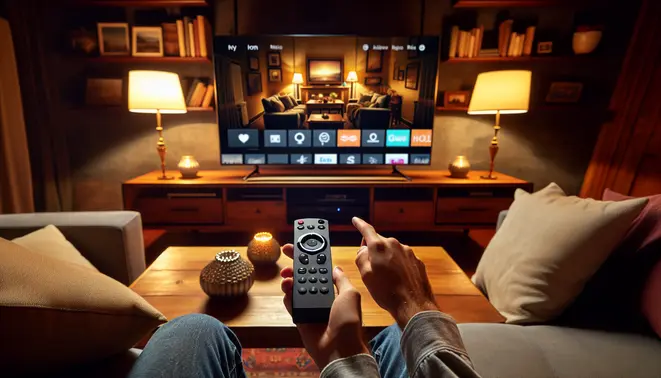
What’s in the Apple TV Box?
When you unbox your new Apple TV, you’ll find several essential components designed to get you started. The main item is the Apple TV device itself, a compact black square that serves as your entertainment hub. Apple includes the Siri Remote, which features a touch-enabled clickpad for intuitive navigation and voice control capabilities [Source: Apple Support].
You’ll also receive a power cord to connect the device to an electrical outlet and a high-speed HDMI cable for linking to your television. For users who want a wired internet connection, there’s a USB-C port on the device, though Apple doesn’t include an Ethernet cable in the box. Additionally, you’ll find documentation including setup guides and warranty information.
Choosing the Perfect Location for Your Apple TV
Selecting the right spot for your Apple TV significantly impacts your viewing experience and device performance. The ideal location should provide proper ventilation to prevent overheating while maintaining strong connectivity.
Consider Your TV Setup
Position your Apple TV close to your television with easy access to HDMI ports. Most users place it directly on an entertainment center shelf or mount it behind the TV using compatible brackets. Ensure the location allows for proper airflow around the device, as restricted ventilation can lead to performance issues.
Optimize Wireless Connectivity
For optimal Wi-Fi performance, place your Apple TV away from large metal objects and other electronics that might cause interference. If you’re using a premium streaming service, strong Wi-Fi is crucial for maintaining high-quality video without buffering. The device should be within reasonable range of your wireless router, or consider using a wired Ethernet connection for more stable performance.
Ensure Remote Functionality
The location should provide a clear line of sight between your seating area and the Apple TV for reliable infrared communication with the Siri Remote. Avoid placing the device inside closed cabinets unless they’re specifically designed for electronics with proper ventilation and IR repeater systems.
Power and Cable Management
Choose a location with easy access to a power outlet and plan your cable routing to maintain a clean setup. The included power cord and HDMI cable are generous in length, but you may need extensions depending on your specific entertainment center configuration.
Proper placement ensures you’ll enjoy seamless streaming whether you’re accessing standard content or exploring IPTV free trials to test different services. Meanwhile, taking the time to position your device correctly from the start prevents the need for adjustments later and contributes to a more organized entertainment space.
Connecting Your Apple TV: A Step-by-Step Guide
Setting up your new Apple TV is a straightforward process that transforms your television into a powerful entertainment hub. This guide walks you through the essential connections for power, display, and network to get you streaming quickly.
Step 1: Connect to Power
Begin by plugging the included power cord into your Apple TV’s power port. Then, connect the other end to a working electrical outlet. Ensure the outlet is easily accessible, as you may need to unplug the device occasionally for troubleshooting.
Step 2: Connect to Your Television
Using a high-speed HDMI cable (not included with most Apple TV models), connect the HDMI port on your Apple TV to an available HDMI input on your television. For optimal performance with 4K HDR content, use an HDMI 2.1 cable that supports higher bandwidth.
Make a note of which HDMI input you used (e.g., HDMI 1, HDMI 2), as you will need to select this source on your TV later.
Step 3: Connect to Your Network
Your Apple TV needs an internet connection to stream content, download apps, and receive updates. You have two primary options: Wi-Fi or a wired Ethernet connection.
Choosing Between Wi-Fi and Ethernet
For most users, a Wi-Fi connection offers sufficient convenience and performance. However, a wired Ethernet connection often provides greater stability and speed, which is crucial for high-bitrate 4K streaming and reducing buffering.
- For Wi-Fi: Navigate to Settings > Network on your Apple TV. Select your Wi-Fi network and enter the password. This is the simplest method and requires no extra cables.
- For Ethernet: Plug an Ethernet cable directly from your router into the Ethernet port on your Apple TV. The device will automatically configure the connection. This is the most reliable option, especially if your Wi-Fi signal is weak.
A study by TechHive confirms that Ethernet consistently provides lower latency and a more stable connection, which is ideal for streaming high-quality video without interruptions.
Step 4: Final Setup and Configuration
Once all cables are connected, turn on your television and select the correct HDMI input. Your Apple TV should power on automatically. Follow the on-screen instructions to complete the setup, which includes signing in with your Apple ID, configuring settings, and downloading your favorite streaming apps.
For a seamless entertainment experience, you may want to explore different content sources. Our guide on the best IPTV subscriptions can help you find services that offer live TV and on-demand content directly through your new device.
Initial Setup and Configuration
When you first open your Apple TV 4K box, you’ll find the streaming device, Siri Remote, power cord, and a Lightning to USB-C cable. The minimalist packaging reflects Apple’s signature design aesthetic. Before starting the setup process, ensure you have access to a stable Wi-Fi network and your iPhone running iOS 12 or later if you plan to use the Quick Start feature.
Initial Power-Up and Language Selection
Connect your Apple TV 4K to power and your television using an HDMI cable. The device will automatically power on and display the setup screen. Your first decision will be selecting your preferred language from the extensive list of options. This choice determines the interface language, keyboard layout, and voice recognition settings for Siri.
Apple supports over 40 languages, including English, Spanish, French, German, Chinese, Japanese, and Arabic. The system will also prompt you to choose your region, which affects content availability and app store selections. According to Apple’s official documentation, these initial settings can be changed later through the Settings menu if needed.
Connecting to Your Network
After language selection, the Apple TV 4K will scan for available Wi-Fi networks. Choose your home network from the list and enter the password using the on-screen keyboard. Alternatively, you can connect via Ethernet by plugging a cable into the port on the back of the device.
A stable internet connection is crucial for streaming high-quality content, especially 4K HDR video which requires significant bandwidth. For optimal performance, Digital Trends recommends at least 25 Mbps for 4K streaming. Meanwhile, if you’re considering IPTV services to expand your content options, our complete IPTV subscription guide covers everything you need to know about finding reliable providers.
The Quick Start Feature with iPhone
Apple’s Quick Start feature dramatically simplifies the setup process if you have a compatible iPhone running iOS 12 or later. When prompted during setup, bring your unlocked iPhone close to the Apple TV. A notification will appear on your iPhone screen asking if you want to use your Apple ID to set up the Apple TV.
This innovative feature automatically transfers your:
- Wi-Fi network name and password
- Apple ID and payment information
- Language and region preferences
- Accessibility settings
As Macworld explains, the proximity-based setup uses Bluetooth to securely transfer your information without manual data entry. You’ll simply need to enter your iPhone’s passcode and approve the Apple ID transfer. This seamless integration exemplifies Apple’s ecosystem advantage.
Signing In with Your Apple ID
To begin using Apple services, you first need to sign in with your Apple ID. This single account gives you access to the App Store, iCloud, Apple Music, and more across all your devices. If you don’t have an Apple ID yet, you can create one directly on your iPhone, iPad, or Mac by going to Settings > [Your Name] > Sign in to your iPhone.
When signing in for the first time, you’ll need to enter your email and password. Apple will then send a verification code to your trusted devices or phone number to confirm your identity. This two-factor authentication adds an important layer of security to protect your account from unauthorized access.
Setting Up Family Sharing
Family Sharing allows up to six family members to share subscriptions, purchases, and storage without sharing accounts. To set it up, go to Settings > [Your Name] > Family Sharing and tap “Set Up Your Family.” You’ll be guided through inviting family members via iMessage or email.
Once set up, you can share Apple subscriptions like Apple Music, Apple TV+, and Apple Arcade. Additionally, you can share iCloud storage plans and App Store purchases while maintaining individual accounts and privacy settings. The organizer can approve purchase requests from children and set up Ask to Buy for younger family members.
Configuring iCloud Services
iCloud automatically keeps your photos, files, notes, and other data updated across all your devices. To manage your iCloud settings, navigate to Settings > [Your Name] > iCloud. Here you can choose which apps and data to sync, including Photos, Contacts, Calendars, and Notes.
Your iCloud account includes 5GB of free storage, but you might need to upgrade depending on your usage. Apple offers several storage plans starting at 50GB for $0.99 per month. Consider your needs for photos, device backups, and documents when selecting a plan.
Managing Payment Methods
To add or update payment information, go to Settings > [Your Name] > Payment & Shipping. Apple supports various payment options including credit/debit cards, PayPal, and Apple Cash in supported regions. You can also use Apple’s purchase history feature to track your subscriptions and one-time purchases.
If you’re using Family Sharing, the family organizer’s payment method will be used for shared subscriptions and purchases made by family members. However, adults in the family group can maintain their own payment methods for individual purchases. For those exploring entertainment options, you might consider checking out our guide on IPTV subscription services as an alternative to traditional streaming platforms.
Regularly reviewing your payment methods ensures uninterrupted service for your Apple subscriptions and prevents unexpected billing issues. You can also set up purchase alerts to monitor family spending and manage subscription renewals effectively.
Getting Started with Apps and Content
Setting up your Apple TV begins with downloading your essential streaming applications. Navigate to the App Store from your home screen, where you can search for and install popular services like Netflix, Hulu, and Disney+. For a wider selection of live TV channels, you can also explore IPTV apps, though it’s crucial to understand the quality, cost, and legality of these services first.
Logging Into Your Streaming Services
Once your apps are installed, the next step is logging in. Most applications will prompt you to enter your account credentials directly. However, some services may require you to activate your device by visiting a specific website on your computer or phone and entering a provided code. This process links your Apple TV to your existing subscription. If you’re considering a new service, many providers offer an IPTV free trial to test the platform before committing.
Organizing Your Home Screen for Efficiency
A cluttered home screen can make finding your favorite shows a chore. Fortunately, Apple TV makes organization simple. Here’s how to create a streamlined viewing hub:
- Move Apps: Click and hold the touchpad on your Siri Remote on any app icon until it jiggles. Then, drag it to your desired location.
- Create Folders: Drag one app icon on top of another to create a folder, perfect for grouping similar services like sports or news apps.
- Top Shelf Customization: The top row of your home screen can display content from a selected app. Set your most-used app here for quick access to new episodes and recommendations.
By taking a few minutes to arrange your apps, you can significantly enhance your daily streaming experience. For those diving deeper into the world of internet television, our complete IPTV subscription guide offers valuable insights into choosing the best service for your needs.
Optimizing Display, Audio, and Settings
Adjusting your Apple TV’s display settings can dramatically improve picture quality. Start by navigating to Settings > Video and Audio to configure resolution, frame rate, and dynamic range. For 4K televisions, select 4K SDR with Match Content enabled for both frame rate and dynamic range – this ensures content displays at its native format. Additionally, calibrating your TV’s color balance using the built-in calibration tool can enhance color accuracy.
Audio settings are equally important for an immersive experience. In the Audio settings, enable Dolby Atmos for compatible content and sound systems. For those with soundbars or home theater systems, configure audio format to ensure optimal compatibility. The Reduce Loud Sounds feature can balance audio levels between content and commercials, creating a more consistent listening experience.
Customizing Siri and Voice Control Features
Apple TV’s voice control capabilities offer convenient navigation and content discovery. You can customize Siri’s language and voice feedback in Settings > General > Siri. Enable “Listen for ‘Hey Siri'” for hands-free operation, or use the Siri button on your remote for on-demand assistance. Siri can search across multiple streaming services, control smart home devices, and provide sports scores and weather information.
For enhanced privacy, you can disable Siri data collection in Settings > General > Privacy & Security. Meanwhile, the VoiceOver feature provides audio descriptions of on-screen elements for visually impaired users. You can adjust speaking rate and voice preferences in Accessibility settings to match your preferences.
Setting Up Comprehensive Parental Controls
Apple TV offers robust parental controls to manage content accessibility. In Settings > General > Restrictions, you can set content ratings for movies, TV shows, and apps. Configure these restrictions by creating a passcode that prevents unauthorized changes. You can block explicit music, podcasts, and even disable specific apps entirely.
For more granular control, use the Restrictions settings to prevent purchases and require passwords for all transactions. The “Ask to Buy” feature is particularly useful for families with children, as it sends purchase requests to a parent’s device for approval. Additionally, you can restrict multiplayer games and friend adding in Game Center to create a safer gaming environment.
Additional Customization Options
Beyond basic settings, Apple TV provides numerous customization features. In Settings > Apps, you can manage storage and offload unused applications. The screensaver settings allow you to choose from Apple’s stunning aerial videos or your own photo collections. For gaming enthusiasts, configuring controller settings can enhance gameplay responsiveness.
Network settings enable you to prioritize streaming quality, while the Sleep settings help conserve energy when not in use. Remember to regularly check for software updates in System settings to access the latest features and security improvements. These comprehensive customization options ensure your Apple TV delivers exactly the experience you want while maintaining appropriate content boundaries for all household members.
For those exploring streaming options, our complete IPTV subscription guide provides valuable information about available services and features that complement your Apple TV setup.