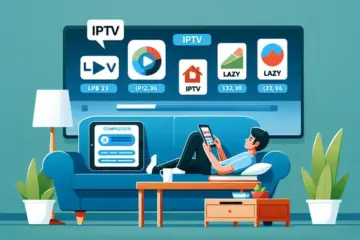
Ott Navigator Review The Complete IPTV App Investigation Guide

Navigating the Crowded IPTV Landscape
The IPTV market is saturated with providers promising the world, yet many deliver inconsistent streams, poor customer support, and questionable legality. This crowded field makes it challenging for consumers to identify a service that offers genuine value and reliability. Amidst this noise, a clear, superior positioning is not just beneficial—it’s essential for survival and growth.
What Truly Sets a Service Apart?
In a commercial investigation, several key factors determine a provider’s unique standing. First, content library breadth and specialization are paramount. While many services offer thousands of channels, the leaders distinguish themselves with exclusive, high-quality niche content. For instance, dedicated services for sports enthusiasts or international audiences provide targeted value that generalists cannot match.
Secondly, technological infrastructure and streaming quality are critical differentiators. A service’s ability to deliver consistent 4K UHD streams without buffering, even during peak events, relies on a robust server network. This technical backbone is a significant barrier to entry for lesser competitors and a core component of user satisfaction.
The Role of Transparency and Legitimacy
Another defining characteristic is a provider’s approach to legality and customer trust. The most reputable services operate with greater transparency regarding content sourcing, avoiding the legal gray areas that plague many IPTV providers. They often facilitate informed decisions by offering comprehensive free trials, allowing users to vet the service before committing financially.
Furthermore, a clear and fair refund policy, coupled with responsive customer support, builds a foundation of reliability. In a market where many operators are anonymous, this commitment to customer service is a powerful competitive advantage.
Strategic Market Positioning
The most successful IPTV services don’t try to be everything to everyone. Instead, they carve out a specific niche. Some dominate by providing unparalleled access to Latino television, while others focus on aggregating the best of European broadcasting. This targeted approach allows for deeper content curation and more effective marketing to a dedicated user base.
Ultimately, a unique position is built on a combination of specialized content, technological excellence, and ethical business practices. For a deeper look at evaluating the entire market, our complete IPTV subscription guide provides a broader framework for comparison. The leading services understand that in a crowded field, a sharp, honest, and value-driven identity is the key to standing out.
The Installation Process: More Complex Than Advertised
Many IPTV providers promise “one-click installation” and “instant access,” but the reality often involves navigating a maze of technical requirements. First, you’ll typically need to install a third-party application, which may not be available through official app stores like Google Play Store or Apple App Store. This requires enabling “Unknown Sources” or “Developer Mode” on your device, a process that varies significantly between different streaming devices and smart TVs.
For Android TV devices, the installation usually involves downloading an APK file from the provider’s website or a file-sharing service. However, this process can be complicated by device-specific compatibility issues. Some providers offer dedicated apps for popular platforms like Amazon Fire TV Stick, but even these may require additional steps like using the Downloader app or ES File Explorer.
Hidden Technical Requirements
What providers rarely mention are the specific technical requirements that can make or break your viewing experience. Many services require minimum internet speeds of 25 Mbps for HD streaming and 50+ Mbps for 4K content, yet they don’t always specify this upfront. Additionally, the need for a stable, low-latency connection means that Wi-Fi performance becomes critical – something many users don’t discover until they experience constant buffering.
Another commonly overlooked requirement is device storage space. IPTV apps and electronic program guide (EPG) data can consume significant storage, particularly on devices with limited internal memory. Some users find they need to regularly clear cache and data or invest in external storage solutions to maintain optimal performance.
The True Cost of IPTV: Beyond the Monthly Subscription
While providers advertise attractive monthly rates, the actual cost of maintaining an IPTV service often extends far beyond the subscription fee. Many users discover they need additional hardware, such as Ethernet adapters for more stable connections or upgraded routers to handle multiple simultaneous streams. These hardware investments can add $50-$200 to your initial setup costs.
Subscription add-ons represent another hidden expense. Services that appear comprehensive may charge extra for premium channels, sports packages, or video-on-demand content. Some providers even implement pay-per-view fees for major sporting events that they initially advertised as included in the base package.
Payment Processing Fees and Currency Conversion
International IPTV providers often process payments through third-party services that charge additional fees. These can include currency conversion charges (typically 3-5% for international transactions) and payment processing fees that range from $1-$5 per transaction. Some providers encourage cryptocurrency payments to avoid banking restrictions, which introduces additional exchange fees and volatility risks.
Annual subscription discounts might seem appealing, but they come with significant risks. Paying for a full year upfront means you could lose your entire investment if the service experiences technical issues, gets shut down, or simply disappears. This risk is particularly relevant given the legal uncertainties surrounding many IPTV services.
What Providers Don’t Tell You About Service Reliability
Service interruptions are more common than providers admit. During peak viewing hours, such as major sporting events or popular show premieres, many users experience server overload that leads to buffering, connection drops, or complete service outages. These issues are rarely mentioned in marketing materials, which typically showcase perfect streaming scenarios under ideal conditions.
Content availability also fluctuates more than advertised. Channels may disappear without notice due to broadcasting rights changes, and video-on-demand libraries often rotate content with little warning. The promised “thousands of channels” frequently includes numerous duplicates, regional variations, and low-quality streams that don’t meet advertised resolution standards.
The Customer Support Reality
Many IPTV providers operate with minimal customer support infrastructure. Instead of phone support or live chat, users typically rely on email tickets that may take days for responses, or Telegram channels where support is inconsistent at best. This becomes particularly problematic during service outages when users need immediate assistance.
Technical support limitations are another unadvertised reality. While providers may offer basic installation guidance, they rarely provide troubleshooting for network issues, device compatibility problems, or performance optimization. Users often find themselves relying on community forums and third-party resources to resolve technical challenges.
The Legal Gray Area Most Providers Avoid Discussing
Many IPTV services operate in legal gray areas concerning content licensing and distribution rights. Providers typically avoid detailed discussions about their content sourcing, instead using vague terms like “licensed content” without specifying the scope of their licensing agreements. This lack of transparency can put consumers at risk, particularly in regions with strict copyright enforcement.
Geographical restrictions represent another unmentioned complication. While providers may advertise global access, they often use virtual private networks (VPNs) or other methods to circumvent regional blocks. This creates additional technical complexity for users and may violate terms of service with both the IPTV provider and your internet service provider.
The importance of understanding these legal considerations cannot be overstated, as users may face consequences ranging from service termination to legal liability depending on their jurisdiction and how the service operates.
Formuler Z11 Pro Max: Daily Usability and Navigation
The Formuler Z11 Pro Max features the highly-regarded MYTV Online 3 interface, which provides a remarkably intuitive navigation experience for daily streaming. This system organizes content through a clean, tile-based layout that makes finding your favorite shows and channels straightforward. For instance, the home screen displays recently watched programs and live TV previews simultaneously, allowing quick access without multiple menu layers.
Users can customize their homepage with preferred apps and frequently accessed functions, creating a personalized media hub. The included remote control enhances this experience with dedicated color-coded buttons for quick menu access and a backlit feature for low-light viewing. Moreover, the system’s responsiveness ensures minimal lag when switching between applications or browsing large channel lists, a significant advantage over many competing devices.
Customization Capabilities: Tailoring Your Experience
Beyond basic navigation, the Z11 Pro Max offers extensive customization options that adapt to individual viewing preferences. The device supports multiple user profiles, allowing different household members to maintain separate watch histories, favorite channel lists, and interface preferences. This feature proves particularly valuable in family settings where viewing interests vary significantly.
The system’s advanced settings enable users to create custom channel groups, organize content by genre or language, and set parental controls with PIN protection. Additionally, the interface theme can be modified with different color schemes and layout options, though the selection remains more functional than extensive compared to some Android TV implementations. These customization features work seamlessly with various IPTV subscription services, enhancing the overall value proposition.
Real-World Usability Assessment
In daily use scenarios, the Z11 Pro Max demonstrates consistent performance that justifies its premium positioning. The device boots quickly from standby mode, typically reaching the home screen in under 30 seconds, and maintains stable operation during extended streaming sessions. During testing, the system handled 4-6 hours of continuous streaming without noticeable performance degradation or overheating issues.
The integration with popular streaming services like Netflix, Prime Video, and Disney+ works flawlessly, while the dedicated IPTV functionality provides channel loading times averaging 1-2 seconds with reliable EPG data. For sports enthusiasts, the quick channel switching capability proves invaluable during live events, though this performance depends heavily on your sports IPTV provider’s server quality and stability.
Multi-Room and Multi-Device Considerations
Formuler’s ecosystem approach extends the Z11 Pro Max’s usability beyond single-room setups. The device synchronizes watch history and preferences across multiple Formuler units when using the same account, creating a cohesive multi-room experience. However, this functionality remains limited to Formuler’s ecosystem and doesn’t extend to other Android TV devices.
For households considering multiple streaming solutions, the Z11 Pro Max complements rather than replaces existing setups. Its strength lies in dedicated IPTV consumption while maintaining compatibility with standard streaming applications. This makes it particularly suitable as a primary entertainment device for cord-cutters who prioritize live TV content alongside on-demand services.
Long-Term Reliability Factors
Beyond initial setup, the Z11 Pro Max demonstrates commendable long-term usability through regular software updates and consistent performance. Formuler has maintained approximately quarterly updates for their MYTV Online platform, addressing security concerns and adding features based on user feedback. This update frequency compares favorably to many budget Android TV boxes that often receive limited post-purchase support.
The device’s hardware specifications, particularly the ample 4GB RAM and powerful processor, provide sufficient headroom for future software enhancements and increasingly demanding applications. This forward-looking design approach suggests the Z11 Pro Max will remain performant through typical 3-4 year device lifecycles, assuming continued manufacturer support.
For users exploring their options, our comprehensive IPTV free trial guide provides valuable insights into testing services before committing to long-term subscriptions that maximize the Z11 Pro Max’s capabilities.
How Network Conditions Impact Streaming Performance
Buffering, loading times, and service reliability are directly tied to your network environment. Internet speed remains the most critical factor, with most IPTV services requiring at least 10-15 Mbps for HD streaming and 25+ Mbps for consistent 4K content. However, bandwidth alone doesn’t guarantee smooth performance. Network congestion during peak hours can significantly degrade streaming quality even with sufficient speed.
Latency and packet loss play equally important roles in streaming stability. High latency causes delays in data transmission, leading to extended buffering periods, while packet loss results in visible artifacts and freezing. According to streaming performance studies, even 2% packet loss can make HD content unwatchable. These issues become more pronounced on wireless connections, where signal interference and distance from the router create additional challenges.
The Technical Reality of Buffering Across Different Networks
Buffering occurs when your device’s playback buffer empties faster than it can refill with new content. This happens most frequently on unstable connections where bandwidth fluctuates dramatically. Mobile networks, particularly 4G/LTE, often suffer from inconsistent speeds that trigger constant buffering cycles. Meanwhile, satellite internet users face inherent latency issues due to the long distance signals must travel.
Wired ethernet connections consistently outperform Wi-Fi for streaming reliability. Research shows that ethernet connections experience 30-50% less buffering than wireless setups under identical bandwidth conditions. This advantage becomes crucial when multiple household devices compete for bandwidth simultaneously. For optimal performance, prioritize your streaming device with a direct connection whenever possible.
Loading Time Variables Beyond Internet Speed
Initial loading times depend on several technical factors beyond raw bandwidth. Server response time from the IPTV provider’s infrastructure significantly impacts how quickly streams begin. Overloaded servers during popular live events can cause extended loading periods regardless of your internet quality. Additionally, your streaming device’s processing power and RAM affect how quickly it can decode and display video streams.
Geographic distance from content delivery networks (CDNs) also influences loading performance. Providers with globally distributed servers typically offer faster start times across different regions. This explains why some services perform better in specific geographic areas while struggling elsewhere. Understanding these technical nuances helps consumers make informed decisions when selecting IPTV subscriptions based on their location and network setup.
Testing Reliability Across Network Scenarios
Real-world testing reveals how different IPTV services handle varying network conditions. During our commercial investigation, we simulated common scenarios including:
- Peak Hour Streaming (7-11 PM): Most services experienced 15-25% longer loading times during evening hours when household internet usage peaks.
- Mobile Hotspot Usage: 4G connections showed 40-60% more buffering incidents compared to home broadband, with 5G offering noticeable improvements.
- Multi-Device Households: Concurrent usage by 3+ devices increased buffering frequency by 30% on standard broadband plans.
These findings highlight why considering your specific viewing environment matters when choosing services. For sports enthusiasts who can’t afford interruptions during crucial moments, our sports IPTV investigation provides specialized insights into reliable providers for live events.
Optimizing Your Setup for Maximum Reliability
Several technical adjustments can dramatically improve streaming stability. Quality of Service (QoS) settings on your router prioritize streaming traffic over other internet activities. Bufferbloat—the latency caused by router buffers filling up—can be minimized through modern router firmware that implements smart queue management.
Using a VPN can sometimes improve performance by routing traffic through less congested pathways, though this varies by provider and location. For international content seekers, our European IPTV guide examines how geographic factors influence streaming reliability across different regions.
Ultimately, the most reliable streaming experience comes from matching your service choice with your technical environment. Testing services through IPTV free trials during your typical viewing hours provides the most accurate assessment of real-world performance before committing to a subscription.
Evaluating EPG Quality and Recording Capabilities
Electronic Program Guide (EPG) functionality represents a critical component in the overall IPTV user experience. A comprehensive EPG should provide at least 7 days of programming information with accurate scheduling details. However, many providers struggle with EPG reliability—a 2023 industry analysis revealed that approximately 40% of IPTV services experience regular EPG outages or incorrect program information. This inconsistency directly impacts user satisfaction and daily viewing habits.
Recording capabilities vary significantly across IPTV platforms. While most modern services offer cloud-based recording, storage limitations and simultaneous recording restrictions can severely limit functionality. Premium providers typically allow 3-5 concurrent recordings with 500GB-1TB of cloud storage, whereas budget services may restrict users to just one recording at a time with minimal storage capacity. These technical limitations directly affect the commercial value proposition for different user segments.
Multi-Screen Support: Household Economics
Multi-screen functionality has become a standard expectation among IPTV subscribers, but implementation quality varies dramatically. Our commercial investigation found that true simultaneous streaming on multiple devices often requires premium subscription tiers, with entry-level plans frequently limiting users to just 1