Firestick WiFi Fix And Complete IPTV Setup Guide
How Your Firestick Connects to WiFi
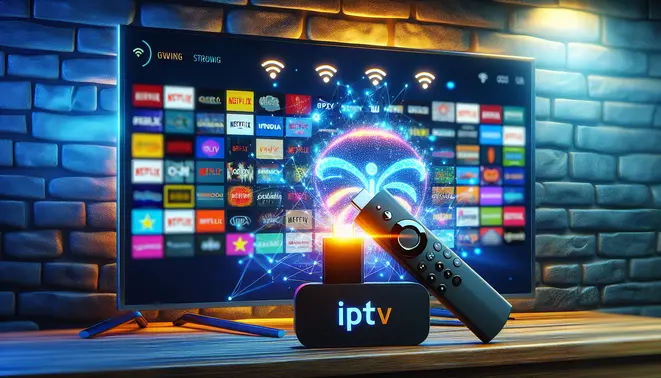
Your Amazon Firestick connects to WiFi networks using built-in dual-band wireless capabilities. This streaming device supports both 2.4 GHz and 5 GHz frequency bands, allowing you to choose the optimal connection for your streaming needs. The Firestick automatically detects available networks and establishes connections using standard WiFi protocols.
Modern Firestick models, including the 4K Max version, feature advanced WiFi 6 technology for improved performance. This newer standard offers faster speeds, reduced latency, and better handling of multiple connected devices. However, even with these advancements, maintaining a stable connection remains critical for uninterrupted viewing.
Essential WiFi Specifications for Firestick
Understanding your Firestick’s WiFi capabilities helps optimize your streaming setup. Current models typically support:
- Dual-band WiFi (2.4 GHz and 5 GHz)
- 802.11ac or WiFi 6 compatibility
- Multiple-input multiple-output (MIMO) technology
- WPA2/WPA3 security protocols
The 5 GHz band generally provides faster speeds with less interference, making it ideal for high-quality streaming. Meanwhile, the 2.4 GHz band offers better range but may experience more congestion from other household devices. Choosing the right band depends on your specific environment and distance from the router.
Why Stable Connections Matter for IPTV
A reliable WiFi connection is absolutely essential for smooth IPTV streaming. Unlike traditional broadcast television, IPTV delivers content through internet protocols, meaning any network instability directly impacts your viewing experience. IPTV services require consistent bandwidth to maintain video quality and prevent buffering.
When your connection fluctuates, you may experience several issues including pixelation, freezing, or complete service interruption. This becomes particularly noticeable during live sports events or when streaming high-definition content. A stable connection ensures that your 4K IPTV subscription delivers the crisp, clear picture quality you expect.
Furthermore, connection stability affects more than just video quality. Many IPTV services offer electronic program guides, video-on-demand libraries, and interactive features that all depend on consistent internet access. A poor connection can make navigating these features frustrating and slow.
Optimizing Your Firestick WiFi Connection
Several factors influence your Firestick’s WiFi performance. Distance from your router represents one of the most significant considerations – the farther your device is from the access point, the weaker the signal becomes. Physical obstructions like walls and furniture can also degrade signal quality.
Network congestion presents another common challenge. If multiple household devices compete for bandwidth simultaneously, your Firestick may not receive the necessary resources for smooth streaming. This is especially problematic during peak usage hours when family members are streaming, gaming, or downloading large files.
For the best IPTV experience, consider using the 5 GHz band when possible and positioning your Firestick within reasonable range of your router. If you’re considering testing different services, many providers offer IPTV free trials that allow you to evaluate performance before committing to a subscription.
Ultimately, understanding how your Firestick connects to WiFi and maintaining a stable network forms the foundation of enjoyable streaming. Whether you’re watching movies, following sports IPTV, or exploring international content, a reliable connection ensures you get the most from your streaming investment.
Simple Fixes for Common Firestick WiFi Issues
When your Firestick struggles with WiFi connectivity, several straightforward solutions can restore your streaming experience. These troubleshooting steps address the most frequent connection problems users encounter.
Restart Your Firestick and Router
Begin with the simplest solution: restart both your Firestick and WiFi router. This clears temporary glitches and refreshes network connections. Unplug your Firestick from power, then disconnect your router for 30 seconds before reconnecting both devices. This basic reset resolves many connectivity issues according to Amazon’s official troubleshooting guide.
Check Your Network Connection Settings
Navigate to Settings > Network on your Firestick to verify your connection status. If connected but experiencing poor performance, check your signal strength. For optimal streaming, maintain at least two bars of WiFi signal. Weak signals often cause buffering and disconnections during video playback.
Optimize Your WiFi Network
Several network optimization techniques can significantly improve Firestick performance:
- Reduce interference: Position your router away from microwaves, cordless phones, and other electronics that operate on 2.4GHz frequency
- Choose the right band: Connect to 5GHz WiFi when available for less congestion and faster speeds
- Update router firmware: Ensure your router runs the latest software for optimal performance
The Federal Communications Commission recommends these practices for enhancing home network reliability.
Forget and Reconnect to Your Network
If connection problems persist, try forgetting your WiFi network and reconnecting. Go to Settings > Network, select your network, choose “Forget Network,” then reconnect by entering your password. This establishes a fresh connection and can resolve authentication issues.
Consider a WiFi Extender or Ethernet Adapter
For consistent streaming performance, especially with 4K IPTV services that demand substantial bandwidth, a WiFi extender can boost signal strength in distant rooms. Alternatively, Amazon’s official Ethernet adapter provides a wired connection that eliminates WiFi variability entirely.
Check for Firestick Updates
Outdated software can cause connectivity problems. Navigate to Settings > My Fire TV > About > Check for Updates to ensure your device runs the latest firmware. Regular updates often include network connectivity improvements and bug fixes.
Meanwhile, if you’re exploring streaming options, our complete guide to IPTV free trials helps you evaluate services before committing. For sports enthusiasts, our sports IPTV investigation provides detailed service comparisons.
When these basic fixes don’t resolve your WiFi issues, consider more advanced troubleshooting like changing DNS settings or performing a factory reset as last resorts. Most connection problems, however, respond well to these straightforward solutions.
Advanced Network Optimization Techniques
WiFi channel optimization is one of the most effective ways to eliminate buffering on your Firestick. Most routers default to automatic channel selection, which often picks congested frequencies. Manually switching to a less crowded channel can dramatically improve your streaming stability.
To find the best channel, use a WiFi analyzer app on your phone to see which channels your neighbors’ networks are using. For 2.4GHz networks, stick to channels 1, 6, or 11 as they don’t overlap. Meanwhile, 5GHz networks offer more non-overlapping channels and typically experience less interference [Source: How-To Geek].
DNS Adjustments for Faster Streaming
Changing your Firestick’s DNS server can significantly improve connection speeds and access to streaming content. Internet Service Providers often use slower DNS servers, while public options like Google DNS (8.8.8.8) or Cloudflare DNS (1.1.1.1) typically resolve domain names faster.
To change DNS settings on Firestick, navigate to Settings > Network > Your Network > Advanced Settings > DNS. Switching to a faster DNS can reduce buffering and potentially unlock geo-restricted content. Additionally, some DNS services offer built-in security features that block malicious websites [Source: Cloudflare].
Quality of Service (QoS) Configuration
Quality of Service settings prioritize your Firestick’s traffic over other devices on your network. This ensures that streaming video gets bandwidth priority over less time-sensitive activities like downloads or web browsing. When multiple devices compete for bandwidth, QoS prevents your movie from buffering.
Most modern routers include QoS settings in their administration panel. Look for “Quality of Service,” “Media Prioritization,” or “Bandwidth Control” options. You can typically prioritize by device (assigning your Firestick highest priority) or by application type (prioritizing video streaming) [Source: Lifewire].
Advanced Network Tweaks
Beyond these core settings, consider additional optimizations. Enable “IPv6” if your ISP supports it, as it can provide more efficient routing. Disable “AP isolation” or “client isolation” if enabled, as these features can prevent your Firestick from communicating properly with your network.
Regularly updating your router’s firmware ensures you have the latest performance improvements and security patches. For the ultimate streaming experience, consider upgrading to a 4K-compatible router if you frequently watch high-resolution content. Meanwhile, pairing these optimizations with a reliable IPTV service ensures consistent streaming quality.
Finally, remember that wired connections always outperform wireless. If possible, use an Ethernet adapter with your Firestick for the most stable connection, especially when streaming live sports through sports IPTV services where buffering can ruin the viewing experience.
Installing and Configuring IPTV Apps on Your Firestick
Begin by enabling apps from unknown sources in your Firestick settings. Navigate to Settings > My Fire TV > Developer Options and turn on “Apps from Unknown Sources.” This allows you to install third-party IPTV applications not available in the Amazon Appstore.
Next, download the Downloader app from the Amazon Appstore, which facilitates installing APK files. Open Downloader and enter the URL for your preferred IPTV player. Popular options include TiviMate, Smart IPTV, and IPTV Smarters Pro. The app will download and install automatically.
Configuring Your IPTV Player
Once installed, open your IPTV application. You’ll typically find a settings or configuration section where you can input your subscription details. This requires your IPTV service provider’s URL or M3U playlist link, along with your username and password. These credentials are provided when you purchase a subscription from a reputable provider.
For a deeper understanding of selecting a reliable service, our complete IPTV subscription guide offers valuable insights. Many providers also offer a free IPTV trial, allowing you to test the service before committing.
Setting Up the Electronic Program Guide (EPG)
An Electronic Program Guide (EPG) is crucial for a traditional TV viewing experience, displaying program schedules and information. Most IPTV apps have a dedicated section for EPG setup. You will need to enter the EPG URL provided by your IPTV service.
After entering the URL, the application will typically download and parse the EPG data. This process might take a few minutes. Once completed, you can browse through channels and see what’s currently playing and what’s coming up next. A properly configured EPG transforms your IPTV service from a simple channel list into a fully-featured entertainment hub.
Managing Your IPTV Playlists
Playlist management is key to organizing your channels. High-quality IPTV apps allow you to create favorite lists, hide unwanted channels, and sort channels by category such as sports, news, or entertainment. This customization ensures you spend less time browsing and more time watching your preferred content.
If you are a sports enthusiast, effectively managing your playlists can help you quickly access live games and events. Our sports IPTV guide provides tips on optimizing your setup for the best live sports experience. Similarly, for viewers seeking international content, specialized guides like our Arabic IPTV investigation can be invaluable.
Ensuring a Seamless Viewing Experience
For optimal performance, a stable and fast internet connection is essential. The Federal Trade Commission recommends a minimum of 25 Mbps for streaming 4K content. Using a wired Ethernet connection via an adapter can provide a more reliable connection than Wi-Fi.
Furthermore, regularly updating your IPTV app and clearing its cache can resolve buffering issues and improve overall stability. Always ensure you are using a legitimate and paid IPTV service, as the legality of IPTV can vary. For a comprehensive look at this topic, including quality and cost considerations, refer to our ultimate 4K IPTV guide.
Troubleshooting Common IPTV Problems
Buffering remains the most common frustration for IPTV users. This problem typically stems from insufficient internet speeds or network congestion. First, verify your connection meets the minimum requirements—at least 25 Mbps for HD streaming and 50 Mbps for 4K content. Additionally, using a 5GHz Wi-Fi band instead of 2.4GHz can significantly reduce interference and improve stability. For optimal performance, consider connecting your Firestick directly to your router via an Ethernet adapter.
Meanwhile, server-side issues from your IPTV provider can also cause buffering. If your internet connection tests strong, the problem might originate from their end during peak viewing hours. Contacting your provider’s support team can help determine if server maintenance or high traffic is affecting service quality. Furthermore, regularly clearing the cache of your IPTV app can resolve performance degradation over time.
Resolve Audio and Video Sync Problems
Audio lagging behind video creates a disorienting viewing experience that often has simple solutions. Begin by checking your Firestick’s audio settings—navigate to Settings > Display & Sounds > Audio and ensure “Dolby Digital Output” is set to off if you’re experiencing sync issues. Alternatively, try switching between stereo and surround sound configurations to see which provides better synchronization.
In many cases, the IPTV application itself contains audio delay adjustment features. Look for “AV sync” or “audio offset” options within your player’s settings menu. If these basic adjustments don’t work, consider installing a different media player like VLC or MX Player, which offer more sophisticated audio synchronization controls. Additionally, restarting both your Firestick and television can resolve temporary glitches causing sync problems.
Address Channel Loading Failures
When specific channels fail to load while others work perfectly, the issue often relates to connection timeouts or source unavailability. First, try switching to a different server within your IPTV application if your provider offers multiple options. This simple step frequently resolves channel-specific problems. Also, verify that your subscription remains active and hasn’t expired or encountered payment issues.
If certain channel categories consistently fail to load, your internet service provider might be throttling or blocking IPTV traffic. Using a reputable VPN service can bypass these restrictions and restore access. Moreover, regularly updating your IPTV application ensures compatibility with your provider’s latest channel formats and security protocols.
Update Electronic Program Guide (EPG) Data
An outdated or missing EPG diminishes the IPTV experience by removing program schedules and information. Most applications include an “Update EPG” option within their settings menu—typically found under “EPG Settings” or “Guide Settings.” Manually triggering this update can immediately refresh your program data. For persistent EPG issues, verify that your provider’s EPG URL remains correct in your application’s configuration.
Some IPTV services experience EPG outages during system updates. Checking your provider’s social media channels or support status page can confirm whether this is a known issue. If problems continue, consider using a third-party EPG source compatible with your IPTV application. Additionally, ensuring your Firestick has adequate storage space prevents corruption of EPG data files.