Install Kodi IPTV On Firestick The Complete Tutorials Guide
Understanding Kodi IPTV – The Ultimate Streaming Solution
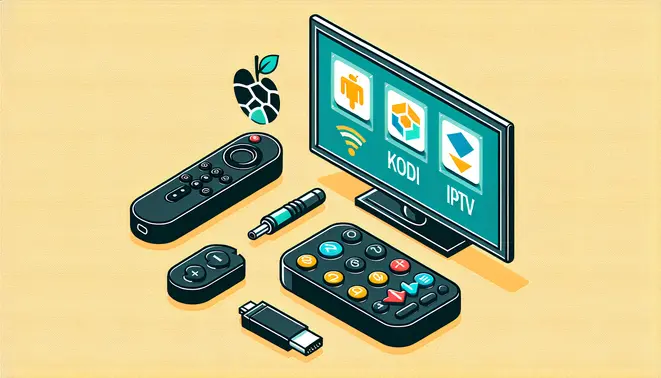
Kodi IPTV represents a powerful combination of open-source media player software and Internet Protocol Television technology. Kodi itself is a free, open-source media player that organizes your digital media, while IPTV delivers television content over internet networks instead of traditional broadcast methods. When integrated, they create a versatile entertainment system that transforms devices like Amazon Firestick into comprehensive streaming hubs.
This integration allows users to access live TV channels, video-on-demand content, and recorded programs through specialized add-ons and playlists. Unlike conventional cable or satellite services, Kodi IPTV streams content directly through internet connections, offering greater flexibility and customization options for viewers seeking personalized entertainment experiences.
Why Firestick Users Prefer Kodi IPTV
Amazon Firestick has become the go-to device for Kodi IPTV enthusiasts due to its portability, affordability, and user-friendly interface. The compact design plugs directly into any HDMI port, converting ordinary televitions into smart entertainment centers. Meanwhile, Kodi’s compatibility with Firestick’s operating system creates a seamless streaming experience that rivals premium streaming services.
Firestick users particularly appreciate the unlimited entertainment options available through Kodi IPTV combinations. They can access thousands of live channels from around the world, including sports networks, movie channels, and international programming. Additionally, the platform supports various video formats and offers extensive customization through skins and add-ons, making each user’s experience unique to their preferences.
Key Benefits of Kodi IPTV Integration
The primary advantage of using Kodi with IPTV services lies in the cost-effectiveness compared to traditional cable subscriptions. Users typically pay significantly less for comprehensive channel lineups that would cost hundreds monthly through conventional providers. This financial benefit makes cutting the cord increasingly attractive for budget-conscious consumers.
Another significant benefit is the global content accessibility. Through specialized IPTV subscriptions, viewers can watch programming from different countries and cultures, breaking geographical barriers that limit traditional broadcasting. This international approach to entertainment particularly benefits expatriates and multicultural households seeking content from their home countries.
Customization represents another compelling advantage. Kodi allows users to organize their media libraries, create personalized channel lists, and install numerous add-ons that enhance functionality. The platform’s open-source nature means continuous community-driven improvements and updates, ensuring the software remains current with evolving streaming technologies and user demands.
Understanding the Legal Considerations
While Kodi itself is completely legal software, the content sources accessed through certain add-ons may raise copyright concerns. Users should exercise caution when selecting IPTV services and ensure they’re subscribing to legitimate providers that have proper licensing agreements with content creators. The legality often depends on whether the service holds broadcasting rights for the content it distributes.
Many reputable IPTV providers offer free trials that allow potential subscribers to test service quality and channel availability before committing to paid plans. These trial periods help users verify that the service meets their entertainment needs while ensuring they’re supporting legal content distribution methods.
For sports enthusiasts specifically, sports-focused IPTV services provide comprehensive coverage of live events, though users should confirm these services have proper broadcasting rights. Similarly, those seeking international content, such as Arabic programming, should verify that providers have legitimate distribution agreements for the regions they serve.
Technical Requirements and Setup
Implementing Kodi IPTV on Firestick requires minimal technical expertise. The process involves installing the Kodi application from the Amazon Appstore or through developer options, then configuring IPTV services through either dedicated add-ons or playlist integrations. Most reputable IPTV providers offer detailed setup guides and customer support to assist with installation.
Successful streaming depends on stable internet connectivity, with most HD content requiring at least 10-15 Mbps download speeds. For optimal 4K streaming, premium IPTV subscriptions recommend connection speeds of 25 Mbps or higher to ensure buffer-free viewing experiences. Additionally, using a VPN can enhance privacy and potentially access geo-restricted content, though users should ensure their chosen VPN doesn’t violate service terms.
The combination of Kodi and IPTV technology continues evolving, with regular updates improving performance, security, and user experience. As streaming becomes increasingly dominant in home entertainment, this powerful pairing offers Firestick users an affordable, flexible alternative to traditional television services while providing virtually unlimited content options from around the globe.
Pre-Installation Essentials – Preparing Your Firestick
Enable Apps from Unknown Sources
Before you can install Kodi IPTV on your Firestick, you must first enable the installation of applications from unknown sources. This setting is disabled by default for security reasons, but it’s essential for sideloading apps like Kodi that aren’t available through the Amazon Appstore.
To do this, navigate to Settings > My Fire TV > Developer Options. Here, you’ll find the “Apps from Unknown Sources” option. Simply turn this setting on. A warning message will appear; confirm that you understand the risks. This single step unlocks the ability to install a wider range of streaming applications onto your device.
Check Your Firestick Model and Storage
It’s crucial to ensure your device is compatible and has sufficient storage. Kodi itself is a lightweight application, but when you add IPTV playlists, builds, and add-ons, the storage requirements can increase significantly. Most modern Firestick models (like the 4K, 4K Max, and newer) are perfectly capable of running Kodi smoothly.
To check your available storage, go to Settings > My Fire TV > About > Storage. For a good experience, it’s recommended to have at least 1-2 GB of free space. If your storage is low, consider uninstalling unused apps or using a tool like the Downloader app to debloat your Firestick and free up valuable memory.
Connect to a Stable Internet Connection
A reliable and fast internet connection is non-negotiable for streaming IPTV content without buffering. While Kodi and its add-ons can be downloaded on most connections, the actual streaming of live TV and video-on-demand requires consistent bandwidth.
For standard definition (SD) streams, a minimum of 5-10 Mbps is advisable. However, for high-definition (HD) or 4K content, you should have an internet plan offering at least 25 Mbps. For the best performance, connect your Firestick to your router via an Ethernet adapter instead of relying on Wi-Fi, especially if you experience network congestion.
Install the Downloader App
The Downloader app is the most common and user-friendly tool for sideloading Kodi onto a Firestick. Since Kodi isn’t on the official Amazon Appstore, the Downloader acts as a simple browser that lets you download and install the Kodi APK file directly.
You can find the Downloader app by searching for it in the Amazon Appstore on your Firestick. Once installed, open the app. You will use it later to enter the official Kodi download URL. This app streamlines the entire installation process, making it accessible even for beginners.
Consider a VPN for Privacy and Access
While not strictly mandatory for installing Kodi, using a Virtual Private Network (VPN) is highly recommended for IPTV users. A VPN encrypts your internet traffic, hiding your online activity from your Internet Service Provider (ISP) and potential snoopers. This is particularly important given the ambiguous legal standing of some third-party IPTV streams.
Furthermore, a VPN allows you to bypass geo-restrictions, giving you access to a wider variety of content from different regions. Many of the best IPTV subscription services work more reliably with a VPN. It’s best to install and configure your chosen VPN on the Firestick before you begin streaming.
Gather Your IPTV Subscription Details
Finally, have your IPTV service credentials ready. Kodi is a media player, not a content provider. To watch live TV, you will need an active subscription from an IPTV provider. This service will give you an M3U playlist URL or an Xtream Codes API login (username, password, and server URL).
If you’re still deciding on a service, you can explore options that offer an IPTV free trial to test compatibility with Kodi. Having this information on hand before you start the installation will make the setup process within Kodi much faster and smoother.
Step-by-Step Kodi Installation on Firestick
Installing Kodi on your Amazon Firestick opens up a world of streaming possibilities, allowing you to access thousands of channels, movies, and TV shows. This comprehensive guide walks you through the entire process from enabling unknown sources to launching Kodi for the first time.
Preparing Your Firestick for Kodi Installation
Before installing Kodi, you need to enable installations from unknown sources on your Firestick. Navigate to Settings > My Fire TV > Developer Options and turn on “Apps from Unknown Sources.” This crucial step allows you to install applications outside the Amazon Appstore.
Next, you’ll need to install the Downloader app, which serves as your tool for downloading Kodi directly to your device. Search for “Downloader” in the Amazon Appstore and install it like any other application. The Downloader app provides a simple way to access files from the internet and install them on your Firestick.
Downloading and Installing Kodi
Open the Downloader app and enter the official Kodi download URL: https://kodi.tv/download. Select the Android version since Fire OS is based on Android. Choose the ARMV7A (32-bit) version for optimal compatibility with Firestick devices.
The download will begin automatically. Once completed, the installation prompt will appear. Select “Install” and wait for the process to finish. This typically takes 2-3 minutes depending on your internet connection speed. After installation, you can choose to delete the installation file to save space on your device.
Launching and Configuring Kodi
Return to your Firestick home screen and navigate to Your Apps & Channels. You’ll find Kodi in your recent applications. Launch Kodi and wait for the initial setup to complete. The first launch may take slightly longer as Kodi builds its database and creates necessary folders.
Kodi’s interface may seem overwhelming at first, but the basic navigation is straightforward. The main menu includes sections for Movies, TV Shows, Music, Pictures, and Add-ons. You can customize the interface through Settings > Interface to suit your preferences.
Adding Content to Kodi
To maximize Kodi’s potential, you’ll want to install add-ons and configure streaming sources. Navigate to the Add-ons section and select “Install from repository” to browse official Kodi add-ons. Popular video add-ons include YouTube, Pluto TV, and Tubi, which provide legal streaming content.
For those interested in IPTV services, Kodi can integrate with various IPTV subscriptions through dedicated add-ons. Many providers offer free IPTV trials that you can test within Kodi before committing to a subscription.
Optimizing Kodi Performance on Firestick
Firestick devices have limited storage and processing power compared to other streaming devices. To ensure smooth performance, regularly clear cache and packages through Settings > System > Storage. Consider using a lightweight skin like Estuary MOD instead of resource-heavy alternatives.
If you experience buffering issues, adjust cache settings in advancedsettings.xml or reduce video quality when streaming. For the best experience with 4K IPTV content, ensure you have a stable internet connection of at least 25 Mbps.
Troubleshooting Common Installation Issues
If Kodi fails to install, verify that “Apps from Unknown Sources” remains enabled. Sometimes this setting reverts after system updates. Also ensure you have sufficient storage space available—Kodi requires approximately 150MB for installation plus additional space for add-ons and cache.
For installation failures, try downloading the Kodi APK directly from the official website rather than through mirror sites. If you encounter performance issues after installation, consider performing a clean reinstall and avoiding too many simultaneous add-ons.
With Kodi successfully installed on your Firestick, you can explore various content options including sports IPTV services and Arabic IPTV platforms. Remember that while Kodi itself is legal, the content you access must comply with copyright laws in your region.
Configuring Kodi for IPTV – Settings & Optimization
Essential Kodi Settings for IPTV Streaming
Properly configuring Kodi is crucial for achieving smooth IPTV streaming on your Firestick. Begin by accessing the Settings menu through the gear icon on Kodi’s home screen. Navigate to Player Settings and select Videos. Here, you’ll want to adjust several key parameters that directly impact streaming performance.
First, enable “Adjust display refresh rate” to match your content’s frame rate, which reduces stuttering during playback. Next, set “Sync playback to display” to either “On start/stop” or “Always” for optimal video synchronization. These adjustments help prevent audio-video lag that commonly affects live IPTV streams.
Network and Cache Configuration
Kodi’s default cache settings often prove insufficient for IPTV streaming, leading to frequent buffering. To optimize this, you’ll need to create an advancedsettings.xml file. This configuration file allows you to increase memory cache size specifically for streaming content. According to Kodi’s official documentation, increasing cache values can significantly reduce buffering during peak streaming hours.
For Firestick devices with limited RAM, set the memorysize parameter to approximately 157286400 (150MB) and buffermode to 1. This allocates sufficient memory for caching video data without overwhelming your device’s resources. Additionally, ensure your Firestick maintains a strong Wi-Fi connection or consider using an Ethernet adapter for more stable IPTV streaming.
Video and Audio Optimization
Video calibration dramatically improves IPTV viewing quality. Within Kodi’s System Settings, navigate to Display and adjust the screen resolution to match your television’s native resolution. Enable “Use limited color range” if you experience washed-out colors, which is common when streaming through HDMI connections.
For audio configuration, access the Audio Settings menu and select the appropriate output device. If you’re experiencing audio sync issues with IPTV streams, adjust the “Audio offset” setting incrementally until dialogue matches lip movements. Many users find that setting “Number of channels” to 2.0 provides the most reliable audio performance across different IPTV services, including those offering sports content and international channels.
IPTV-Specific Addon Settings
When using IPTV addons like PVR IPTV Simple Client, specific configurations enhance performance. Within the addon settings, reduce the “Minimum channel count” to decrease loading times. Enable “Use cached images” to prevent channel logos from reloading each time you browse your channel list.
For users with IPTV subscriptions that provide electronic program guide (EPG) data, configure the EPG settings to update during off-peak hours. This prevents EPG downloads from interfering with your streaming bandwidth. Set “Update interval” to 12 or 24 hours unless you require real-time program information updates.
Performance Monitoring and Maintenance
Regular maintenance ensures continued optimal performance. Periodically clear Kodi’s cache and packages through the System Settings menu. Monitor your Firestick’s storage space, as insufficient storage can cause streaming issues. Consider using maintenance addons that automate cache clearing and database optimization.
If you experience persistent buffering despite optimal settings, test your internet connection speed directly through your Firestick. IPTV streaming typically requires minimum speeds of 10-15 Mbps for HD content and 25+ Mbps for 4K streaming. Additionally, try different IPTV services through free trials to determine if performance issues are service-specific rather than configuration-related.