Smart TV IPTV Setup Complete Streaming Device Setup Guide
Understanding IPTV and Smart TV Compatibility
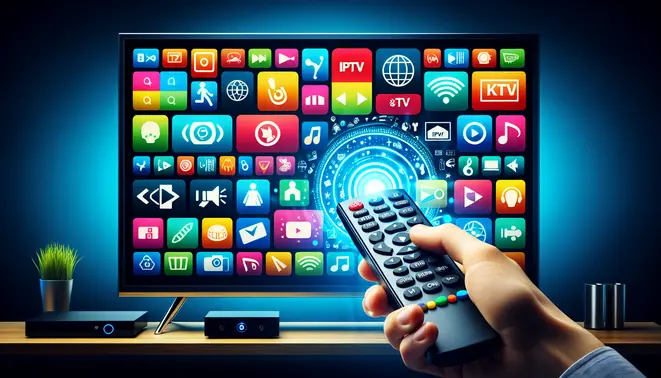
Internet Protocol Television (IPTV) delivers television content over internet networks instead of traditional terrestrial, satellite, or cable formats. Unlike conventional broadcasting methods, IPTV transmits media through internet protocol (IP) networks, allowing for more interactive features and on-demand viewing capabilities [Source: Techopedia].
The fundamental difference between IPTV and standard streaming services lies in their delivery infrastructure. While platforms like Netflix and Hulu use content delivery networks (CDNs) to serve pre-recorded media, IPTV often provides live television broadcasts through internet protocols. This approach allows for real-time content delivery similar to traditional TV, but with the flexibility of internet-based access.
Key Differences Between IPTV and Traditional Streaming
IPTV distinguishes itself from conventional streaming in several important ways. Traditional streaming services typically offer video-on-demand (VOD) content libraries where users select from pre-recorded movies and shows. In contrast, IPTV frequently includes live television channels, time-shifted media, and interactive features that mimic the traditional broadcast experience while leveraging internet connectivity.
Another significant difference involves content delivery methods. Standard streaming platforms use progressive download or adaptive bitrate streaming, while IPTV employs Internet Group Management Protocol (IGMP) for live TV multicasting and Real-Time Streaming Protocol (RTSP) for video-on-demand services. This technical distinction enables IPTV to provide smoother channel switching and better support for live events.
Additionally, IPTV services often require specific IPTV subscriptions and compatible applications, whereas traditional streaming services are typically accessible through standard apps available on various devices. Many users begin their IPTV journey by exploring IPTV free trials to evaluate service quality before committing to long-term subscriptions.
Smart TV Operating Systems That Support IPTV
Most modern smart TVs support IPTV applications, though compatibility varies by operating system and manufacturer. The leading smart TV platforms with robust IPTV support include:
Android TV/Google TV
Android TV and its successor Google TV offer excellent IPTV compatibility through the Google Play Store. Users can install various IPTV player applications such as TiviMate, IPTV Smarters, and OTT Navigator. These platforms provide flexible app installation options and typically receive regular updates, ensuring ongoing compatibility with IPTV services.
webOS (LG Smart TVs)
LG’s webOS platform supports IPTV through dedicated applications available in the LG Content Store. While the selection might be more limited compared to Android TV, popular IPTV players are generally available. LG’s interface is user-friendly and provides smooth performance for IPTV streaming when using compatible applications.
Tizen (Samsung Smart TVs)
Samsung’s Tizen operating system includes IPTV application support through the Samsung App Store. The platform offers reliable performance and good application stability. However, users should verify specific app availability, as some IPTV services may have limited presence on this platform compared to others.
Roku TV
Roku’s operating system has more restricted IPTV support due to the platform’s curated app approach. While some IPTV applications are available, the selection is typically narrower. Many Roku users access IPTV services through screen mirroring or alternative methods rather than dedicated applications.
Other Platforms
Other smart TV systems including VIDAA (Hisense), Fire TV (Amazon), and some proprietary platforms also offer varying degrees of IPTV support. However, compatibility and application availability can differ significantly between models and manufacturers.
Factors Affecting IPTV Performance on Smart TVs
Several elements influence how well IPTV functions on smart television platforms. Network connectivity is crucial—stable high-speed internet with sufficient bandwidth ensures smooth streaming without buffering. Wired Ethernet connections typically provide more reliable performance than Wi-Fi for IPTV services [Source: FCC Broadband Speed Guide].
Device processing power and memory also impact IPTV performance. Newer smart TVs with more powerful processors and adequate RAM handle IPTV applications more effectively than older models. Additionally, regular software updates maintain compatibility with evolving IPTV services and security standards.
For those considering premium options, 4K IPTV subscriptions require compatible hardware and sufficient internet speeds to deliver high-resolution content properly. Always verify your smart TV’s specifications and network capabilities before subscribing to IPTV services to ensure optimal viewing experiences.
Essential Pre-Setup Requirements
Internet Speed Requirements for IPTV
Your internet connection is the foundation of a smooth IPTV experience. For standard definition streaming, you’ll need at least 10 Mbps download speed. However, for high-definition (HD) content, aim for 15-25 Mbps. Meanwhile, 4K Ultra HD streaming requires even more bandwidth—typically 25-50 Mbps for optimal performance [Source: Speedtest Guides].
These requirements increase significantly if multiple devices are using the same connection simultaneously. For example, if other household members are gaming or video conferencing while you’re streaming, you’ll need additional bandwidth to prevent buffering. Therefore, consider upgrading to a faster plan if your current speeds fall below these thresholds.
Network Optimization Strategies
A fast internet connection alone isn’t enough—you need stable, reliable connectivity. For the best IPTV performance, use a wired Ethernet connection whenever possible. This approach provides more consistent speeds than Wi-Fi and reduces potential interference. If you must use Wi-Fi, position your router close to your smart TV and consider using a 5GHz band for less congestion.
Additionally, quality of service (QoS) settings on your router can prioritize streaming traffic. Many modern routers allow you to designate your smart TV as a high-priority device. This ensures that your IPTV stream receives bandwidth before other activities on your network. Regularly rebooting your router and updating its firmware can also improve performance.
Choosing the Right IPTV Subscription
Before setting up your smart TV for IPTV, you’ll need a subscription from a reliable provider. Look for services that offer comprehensive channel lineups, reliable customer support, and compatibility with your device. Our complete IPTV subscription guide provides detailed comparisons of top providers to help you make an informed decision.
Many legitimate IPTV services offer free trials, allowing you to test their service before committing. These trials typically last 24-72 hours and provide full access to channels and features. Consequently, you can evaluate stream quality, channel selection, and overall reliability. For guidance on selecting trial services, check our complete guide to IPTV free trials.
Understanding 4K IPTV Requirements
If you’re interested in 4K IPTV content, additional considerations come into play. Beyond faster internet speeds, you’ll need a 4K-compatible smart TV and a subscription that specifically offers 4K channels. Not all providers include 4K content in their standard packages, so verify this before subscribing.
Our ultimate 4K IPTV subscription guide covers everything from quality expectations to legal considerations. Remember that legitimate 4K IPTV services typically cost more than standard HD options due to higher bandwidth and licensing expenses.
Essential Pre-Setup Checklist
- Test your internet speed using online tools like Speedtest.net
- Ensure your smart TV is updated with the latest firmware
- Choose between wired (recommended) or optimized wireless connection
- Select a reputable IPTV provider with appropriate channel selection
- Consider starting with a free trial to evaluate service quality
- Verify that your subscription matches your content quality preferences (HD vs 4K)
By addressing these requirements before beginning your setup, you’ll create the foundation for a seamless IPTV experience. Proper preparation minimizes technical issues and ensures you can immediately enjoy your preferred content without interruption.
Choosing the Right IPTV App for Your Smart TV
Top IPTV Apps for Smart TVs
When selecting an IPTV app for your smart TV, several options stand out for their reliability and feature sets. Smart IPTV remains one of the most popular choices, offering broad compatibility across various smart TV platforms including Samsung and LG. This app provides a straightforward interface for managing your channel playlists and supports multiple formats.
Another excellent option is IPTV Smarters Pro, which boasts a user-friendly interface and comprehensive features including VOD (Video on Demand) support and multi-screen functionality. For those seeking a more customizable experience, TiviMate offers extensive personalization options and premium features like recording capabilities and multiple playlist support.
Key Features to Consider
When comparing IPTV apps, prioritize features that match your viewing habits. Look for apps with reliable Electronic Program Guide (EPG) support, which provides detailed program information and scheduling. Additionally, consider whether you need multi-screen functionality for watching different channels simultaneously or recording capabilities for time-shifted viewing.
Compatibility with your specific smart TV model is crucial—some apps work better on certain platforms than others. Also evaluate the app’s update frequency and developer support, as regular updates typically indicate better security and feature improvements. For more detailed guidance on selecting IPTV services, check out our complete IPTV subscription guide.
Installation Methods for Different Platforms
Installation procedures vary significantly depending on your smart TV’s operating system. For Samsung Smart TVs using Tizen OS, you’ll typically install apps through the Samsung App Store. Simply search for your preferred IPTV app, download it, and follow the setup instructions. However, some apps may require sideloading through developer mode for advanced features.
LG webOS users can access the LG Content Store to find compatible IPTV applications. The process is generally straightforward, though some users report better performance with specific apps optimized for webOS. Android TV and Google TV users have the widest selection, with numerous IPTV apps available through the Google Play Store.
Alternative Installation Approaches
When official app store options are limited, consider using screen mirroring from compatible devices or installing through third-party app stores. Some users successfully run IPTV services through media players like VLC, though this approach may lack the polished interface of dedicated IPTV applications.
Before committing to any installation method, verify that your chosen app supports your IPTV service’s specific requirements. Many providers offer detailed setup guides tailored to different platforms. For those exploring service options, our IPTV free trial guide can help you test compatibility before making long-term commitments.
Performance and Reliability Considerations
App performance can significantly impact your viewing experience. Look for applications with minimal buffering and quick channel switching times. Memory usage is another important factor—some apps run more efficiently than others, which can be crucial for older smart TV models with limited resources.
Reliable EPG (Electronic Program Guide) implementation varies between apps, with some providing more accurate and comprehensive program information than others. Additionally, consider how each app handles network fluctuations and whether it includes features like automatic quality adjustment for varying internet speeds.
Security and Update Frequency
Regular updates are essential for security and feature improvements. Choose apps from developers who actively maintain their software and address reported issues promptly. Be cautious of apps requesting unnecessary permissions or showing excessive advertisements, as these can impact both security and viewing experience.
For those concerned about streaming quality and legality, our 4K IPTV subscription guide covers important considerations regarding service quality and legal compliance. Remember that using legitimate IPTV services through properly licensed apps ensures better reliability and supports content creators.
Making Your Final Decision
Ultimately, the best IPTV app depends on your specific needs, smart TV model, and preferred IPTV service. Consider testing multiple applications if possible, paying attention to interface usability, feature implementation, and overall stability. Many apps offer free versions or trial periods, allowing you to evaluate performance before committing.
Compatibility with your existing setup is paramount—ensure the app works seamlessly with your IPTV provider’s service and your network configuration. Additionally, consider future-proofing your choice by selecting apps with active development communities and regular feature updates.
By carefully evaluating these factors and testing options when available, you can select an IPTV application that delivers reliable performance and enhances your overall viewing experience on any smart TV platform.
Step-by-Step Installation Process
Step 1: Downloading Your Preferred IPTV App
The first step is to install an IPTV player application on your smart TV. For most modern televisions, you can find these apps in the official store. For example, on Samsung TVs, search for and download the “Smart IPTV” app from the Samsung App Store. Similarly, LG TV users can find “OTT Player” in the LG Content Store. If you are using an Android TV or a device like the NVIDIA Shield, you can install popular apps like “IPTV Smarters Pro” or “TiviMate” directly from the Google Play Store.
Step 2: Adding Your IPTV Playlist and EPG Source
Once the application is installed, you will need to load your subscription details. This typically involves adding a playlist file (often an M3U URL) and an Electronic Program Guide (EPG) source. Open your IPTV app and navigate to its settings or “Add Playlist” section. Here, you will enter the M3U URL provided by your IPTV subscription service. Many services also provide an EPG URL; entering this will populate your guide with show titles and schedules, making navigation much easier.
Manual Entry vs. File Upload
Some apps allow you to manually type the URL, while others may require you to upload the file from a USB drive. If you are using an app like Smart IPTV, you might need to visit a specific activation website from a computer, enter your TV’s MAC address, and upload your M3U file there. Consequently, the playlist will automatically load on your TV the next time you open the app.
Step 3: Configuring Your Playback Settings
After your channels have loaded, it’s time to optimize the playback. Navigate to the app’s settings menu to configure key options. Firstly, select your preferred video decoder; hardware decoders are often more efficient than software ones. Secondly, adjust the audio output to match your sound system, such as choosing PCM, Dolby Digital, or passthrough. Moreover, you can often customize the appearance of the channel list and electronic program guide to suit your preferences.
Step 4: Organizing Your Channel List
A raw IPTV playlist can contain thousands of channels. To manage this, use the app’s built-in tools to create favorites lists or hide unwanted channels. For instance, you can group channels by country, genre, or language. This process dramatically improves the user experience, allowing you to quickly access the content you love without scrolling through an endless list. Many players also support parental controls, which is essential for family viewing.
Step 5: Finalizing and Testing Your Setup
Before you settle in, perform a comprehensive test of your setup. Check several channels from different categories to ensure video and audio play without buffering or errors. Verify that the EPG data is correctly populated and that the program information is accurate. If you encounter issues, double-check the M3U and EPG URLs you entered. For persistent problems, consult your IPTV provider’s support or consider testing a different player application.
Connecting an External Player
If the built-in player in your IPTV app has performance issues, many apps allow you to use an external video player. Popular options like VLC or MX Player can often handle streams more reliably. You can usually set this preference in the app’s “Playback” or “Expert” settings. This simple switch can resolve many common playback problems.
Advanced Configuration and Optimization
Mastering Electronic Program Guide (EPG) Configuration
An Electronic Program Guide (EPG) transforms your IPTV experience from a simple channel list into a comprehensive television navigation system. This feature provides detailed program information, schedules, and descriptions for upcoming shows, similar to traditional cable or satellite TV guides. Proper EPG configuration ensures you never miss your favorite programs and can plan your viewing schedule effectively.
Most IPTV services provide EPG data through M3U playlists or separate XMLTV files. To configure EPG, you’ll typically need to input the EPG URL provided by your IPTV service into your smart TV app’s settings. Popular apps like TiviMate, IPTV Smarters, and Perfect Player have dedicated EPG configuration sections where you can enter this information.