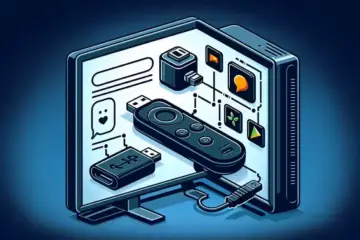
Smart TV IPTV Setup The Complete Streaming Device Guide
Table of Contents
- What is IPTV and How It Differs from Traditional TV
- Smart TV Operating Systems That Support IPTV
- Hardware Requirements for Smart TV IPTV Setup
- Legal Considerations for Smart TV IPTV Setup
- Internet Speed Requirements for IPTV
- Essential Equipment Checklist
- WiFi vs Ethernet Connection
- Account Setup and Preparation
- Accessing Your Smart TV’s App Store
- Comparing Popular IPTV Applications
- Downloading and Installing Your Chosen App
- Configuring Security and Privacy Settings
- Entering Your IPTV Service Credentials
- Configuring Video and Audio Playback Settings
- Troubleshooting Common Setup Issues
- Router Configuration for IPTV Performance
- Managing Buffer and Playback Issues
- Advanced Features and Customization
- Essential Maintenance Practices
- Troubleshooting Common IPTV Error Codes
- Updating Apps and Firmware for Optimal Performance
- When to Contact Your IPTV Provider
- Preventative Measures for Long-Term IPTV Health
What is IPTV and How It Differs from Traditional TV
IPTV, or Internet Protocol Television, delivers television content over internet networks instead of traditional terrestrial, satellite, or cable formats. Unlike conventional TV that broadcasts programs at scheduled times, IPTV uses internet protocols to stream content on-demand or through live channels. This fundamental difference allows for greater flexibility and personalization in viewing experiences.
Traditional cable and satellite services transmit all channels simultaneously, while IPTV sends only the program you select, making it more bandwidth-efficient. Additionally, IPTV often includes interactive features like video-on-demand, time-shifted media, and integration with other IP-based services. The technology enables viewers to watch their favorite shows on various devices beyond just television sets, including smartphones, tablets, and computers.
Smart TV Operating Systems That Support IPTV
Most modern smart TV platforms support IPTV applications, though availability varies by operating system. Popular platforms include:
- Android TV/Google TV: Offers extensive app support through Google Play Store, including numerous IPTV players
- webOS (LG): Provides access to IPTV services through its app store with a user-friendly interface
- Tizen (Samsung): Supports various streaming applications compatible with IPTV services
- Roku TV: Features a straightforward platform with private channel options for IPTV
- Fire TV (Amazon): Integrated into some smart TVs, with robust IPTV app availability
While these platforms generally support IPTV, you may need to sideload applications on some systems or use third-party app stores to access specific IPTV services not available in official marketplaces.
Hardware Requirements for Smart TV IPTV Setup
Setting up IPTV on your smart TV requires specific hardware components to ensure optimal performance:
- Modern Smart TV: Preferably manufactured within the last 3-5 years with updated operating system
- Stable Internet Connection: Minimum 15-25 Mbps for HD streaming, with higher speeds required for 4K content
- Router Capabilities: Dual-band Wi-Fi (2.4GHz and 5GHz) for reduced interference, or Ethernet connection for more stable performance
- Sufficient Processing Power: Adequate RAM and processor to handle video decoding without buffering
- Storage Space: Enough internal memory to install IPTV applications and store temporary data
For older smart TVs with limited app support or processing power, external streaming devices like Amazon Fire Stick, Roku, or Android TV boxes can provide enhanced IPTV capabilities. These devices often offer more frequent software updates and broader application compatibility than built-in smart TV systems.
Legal Considerations for Smart TV IPTV Setup
Understanding the legal landscape of IPTV services is crucial for compliant viewing. Legitimate IPTV providers obtain proper licensing for the content they distribute, while unauthorized services may offer copyrighted material without permission. The legal distinction often comes down to whether the service has secured rights from content owners.
To ensure you’re using legal IPTV services, consider these factors:
- Provider Transparency: Legitimate services clearly state their business information and content sources
- Content Licensing: Authorized providers publicly acknowledge their licensing agreements with studios and networks
- Payment Methods: Legal services typically use standard payment processors rather than cryptocurrency or anonymous payment systems
- Geographic Restrictions: Reputable providers adhere to regional licensing agreements and content availability
Using unlicensed IPTV services may violate copyright laws in many jurisdictions, potentially resulting in legal consequences for both providers and users. For comprehensive guidance on selecting legitimate IPTV options, explore our complete IPTV subscription guide which covers how to identify authorized services. Additionally, many reputable providers offer IPTV free trials that allow you to test services before committing to subscriptions.
When evaluating IPTV options, prioritize services that comply with local regulations and respect intellectual property rights. This approach ensures sustainable access to quality content while supporting content creators and distributors.
Internet Speed Requirements for IPTV
Before diving into your smart TV IPTV setup, verifying your internet connection meets the necessary speed requirements is crucial. For standard definition (SD) streaming, you’ll need a minimum of 3-5 Mbps. High definition (HD) content requires 8-10 Mbps, while 4K or Ultra HD streaming demands at least 25 Mbps for optimal performance [Source: HighSpeedInternet.com].
Remember that these are per-stream requirements. If other household members are simultaneously gaming, browsing, or streaming, you’ll need additional bandwidth. For a household with multiple 4K streams, a connection of 100 Mbps or higher is recommended to prevent buffering and ensure smooth playback.
Testing Your Current Connection
Use free online tools like Speedtest.net to check your current download speeds. Run the test at different times throughout the day, as internet performance can vary during peak usage hours. If your results consistently fall below requirements, contact your internet service provider about upgrading your plan before proceeding with IPTV setup.
Essential Equipment Checklist
Gathering the right equipment beforehand streamlines your IPTV installation process. Here’s what you’ll need:
- A compatible smart TV (Samsung, LG, Android TV/Google TV, or Fire TV)
- Stable internet connection meeting speed requirements
- Your IPTV subscription details (username, password, portal URL)
- IPTV app downloaded on your smart TV
- Optional: External storage if recording live TV
Most modern smart TVs have built-in app stores where you can download popular IPTV players. However, some TV models may require sideloading applications, which involves additional steps. For detailed guidance on selecting the right service, our complete IPTV subscription guide covers various provider options and compatibility considerations.
WiFi vs Ethernet Connection
Choosing between WiFi and Ethernet significantly impacts your streaming stability. While WiFi offers convenience, a wired Ethernet connection provides more consistent performance for IPTV streaming.
When to Choose Ethernet
Ethernet connections deliver lower latency and more stable bandwidth, making them ideal for:
- 4K and high-bitrate content streaming
- Households with multiple simultaneous streams
- Areas with WiFi interference or congestion
- Critical viewing like live sports or events
If your router is near your smart TV, running an Ethernet cable ensures the most reliable connection. For setups where wiring isn’t practical, consider powerline adapters that use your home’s electrical wiring to create a more stable network connection than WiFi.
Optimizing WiFi for IPTV
If you must use WiFi, position your router centrally and elevate it for better signal distribution. Connect your smart TV to the 5GHz band instead of 2.4GHz for less interference and higher speeds. Additionally, reduce the number of devices connected to your network during important viewing sessions to preserve bandwidth for your IPTV stream.
Account Setup and Preparation
Before installing your IPTV app, ensure you have your subscription credentials ready. Most providers supply this information immediately after purchase through email or your account dashboard.
Required Account Information
Typically, you’ll need:
- Portal URL or server address
- Username and password
- MAC address (for some setups)
- Subscription expiration date
Keep this information accessible during setup, as you’ll need to enter it precisely into your IPTV application. Many providers offer IPTV free trials that allow you to test their service before committing to a long-term subscription.
Security Considerations
Use strong, unique passwords for your IPTV accounts and avoid sharing credentials across multiple services. Furthermore, consider using a VPN if your provider permits it, as this adds an extra layer of privacy and security to your streaming activities.
With your internet speed verified, equipment gathered, connection method chosen, and accounts prepared, you’re ready to proceed with the actual IPTV installation on your smart TV. Taking these preparatory steps ensures a smoother setup process and better overall streaming experience.
Accessing Your Smart TV’s App Store
Begin by locating your smart TV’s app store. For Samsung TVs, press the Home button on your remote and select “Apps” to access Samsung’s app store. Meanwhile, LG TV users should press the Home button and navigate to the LG Content Store. Android TV and Google TV devices feature the Google Play Store prominently on their home screens.
Most modern smart TVs require you to sign in with a manufacturer account before downloading applications. This account creation process typically only takes a few minutes but is essential for accessing the full range of available streaming applications.
Comparing Popular IPTV Applications
When selecting an IPTV application, several options stand out for their functionality and user experience. IPTV Smarters Pro remains a top choice, offering comprehensive channel management, electronic program guides (EPG), and support for multiple playlist formats. This application works across various platforms including Android TV, Fire TV, and iOS devices.
Another excellent option is TiviMate, particularly favored for its sophisticated interface and robust recording capabilities. For those seeking a free alternative, OTT Navigator provides reliable performance with customizable features. Each application varies in interface design, playback options, and advanced functionality, so consider your specific viewing preferences when making your selection.
Downloading and Installing Your Chosen App
Once you’ve selected your preferred IPTV application, navigate to your TV’s app store search function. Enter the exact application name and select the official version from the search results. Click “Install” or “Download” and wait for the process to complete—this typically takes just a few minutes depending on your internet connection speed.
After installation, locate the application in your TV’s app library or home screen. Launch the application to begin the setup process. Most IPTV apps will prompt you to enter your subscription details immediately upon first opening.
Configuring Security and Privacy Settings
Before entering any personal information or subscription details, review the application’s permissions. Navigate to your TV’s settings menu and locate the application permissions section. Ensure the IPTV app only has access to necessary functions like network connectivity and storage if you plan to use recording features.
Consider using a VPN service for additional security, particularly when streaming content from various sources. A VPN encrypts your internet connection, protecting your viewing activity and personal information. Many premium VPN services offer dedicated apps for smart TV platforms, making setup straightforward.
Additionally, regularly update your IPTV application to benefit from the latest security patches and feature improvements. Enable automatic updates in your TV’s app store settings whenever possible to maintain optimal security without manual intervention.
For comprehensive guidance on selecting reliable IPTV services, explore our complete IPTV subscription guide, which covers everything from service evaluation to troubleshooting common issues.
Entering Your IPTV Service Credentials
After installing your IPTV application, the next critical step is entering your subscription details. You will typically need a username, password, and a URL for the M3U playlist or Xtream Codes API provided by your IPTV service. Navigate to the settings or “Add Portal” section within your IPTV app to input this information accurately. A single typo can prevent the service from loading, so double-check each entry. For a deeper understanding of what to look for in a provider, our complete IPTV subscription guide offers valuable insights.
Setting Up Your Electronic Program Guide (EPG)
An Electronic Program Guide (EPG) transforms your IPTV experience by displaying a visual timeline of upcoming shows. Without it, you’re left with just a basic channel list. Many IPTV services provide a separate URL for their EPG data. Enter this URL in the EPG settings of your application. After loading, the guide may take a few minutes to populate with program information. This setup ensures you can easily browse, schedule recordings, and see what’s currently airing across all your channels.
Configuring Video and Audio Playback Settings
Optimizing your video and audio settings is crucial for achieving the best possible streaming quality. Within your IPTV app’s settings, you’ll find several key options to adjust:
- Video Decoder: Most modern apps will automatically select the best decoder (e.g., HW, HW+, or Software). If you experience stuttering, try switching to a different decoder.
- Aspect Ratio: Ensure this is set to match your TV, typically 16:9, to prevent a stretched or squashed picture.
- Audio Output: Select the appropriate option for your sound system, such as Stereo, Dolby Digital, or Passthrough for home theater systems.
Furthermore, enabling a buffer can help prevent buffering during playback on unstable internet connections. A setting of 2-5 seconds is often sufficient to create a smooth viewing experience.
Organizing Your Favorite Channels
With potentially thousands of channels available, creating a favorites list is essential for a personalized experience. Browse through your channel list and use the “Add to Favorites” or star icon next to the channels you watch most often. You can then create custom groups or folders within your favorites to categorize channels by genre, such as Sports, News, or Movies. This organization saves you from endlessly scrolling and puts your preferred content just a click away.